Our time in Barcelona challenged us to practice our flexibility. Originally, we planned activities expecting to have two weeks to explore the city. Unfortunately for our original plans, Iceland is part of the Schengen visa zone even though it is not a part of the European Union. The Schengen zone is a shared passport/visa agreement zone allowing free travel within much of Europe once you’ve entered through a participating country. Schengen zone visas state that US citizens can visit within the zone for 90 days within 180 days. For us, day 90 would have occurred while we were still in Barcelona if we had stayed for two weeks as originally planned. Therefore, we changed our plans to stay in Barcelona for just one week, bringing us to 89 days in the Schengen zone. Because we had already planned activities for two weeks, the girls and I were challenged with deciding which things were most important to us and figuring out how to do and see as much as possible in half the original time. The result was a very busy week of exploring!
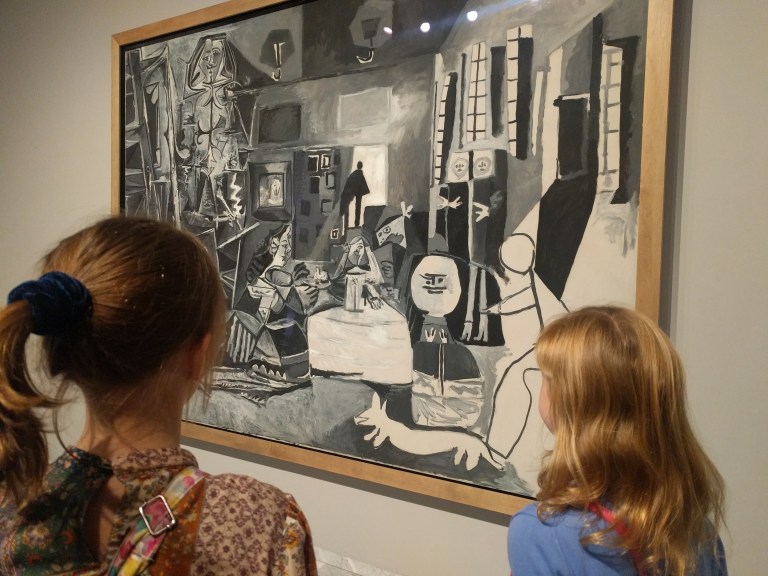
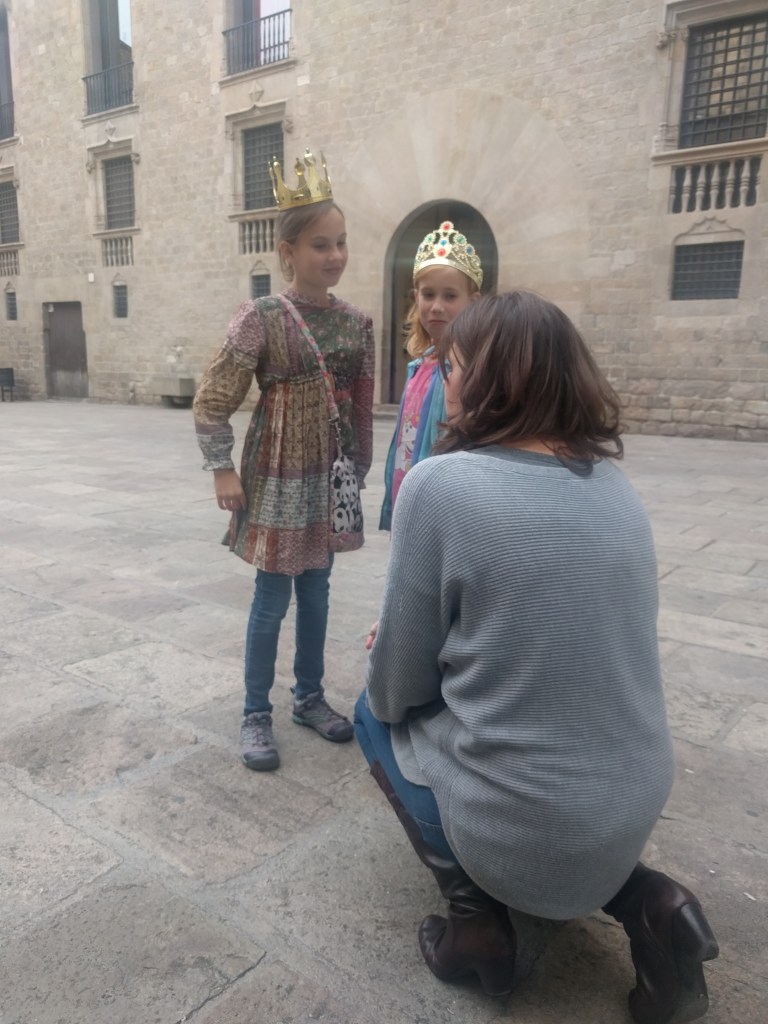
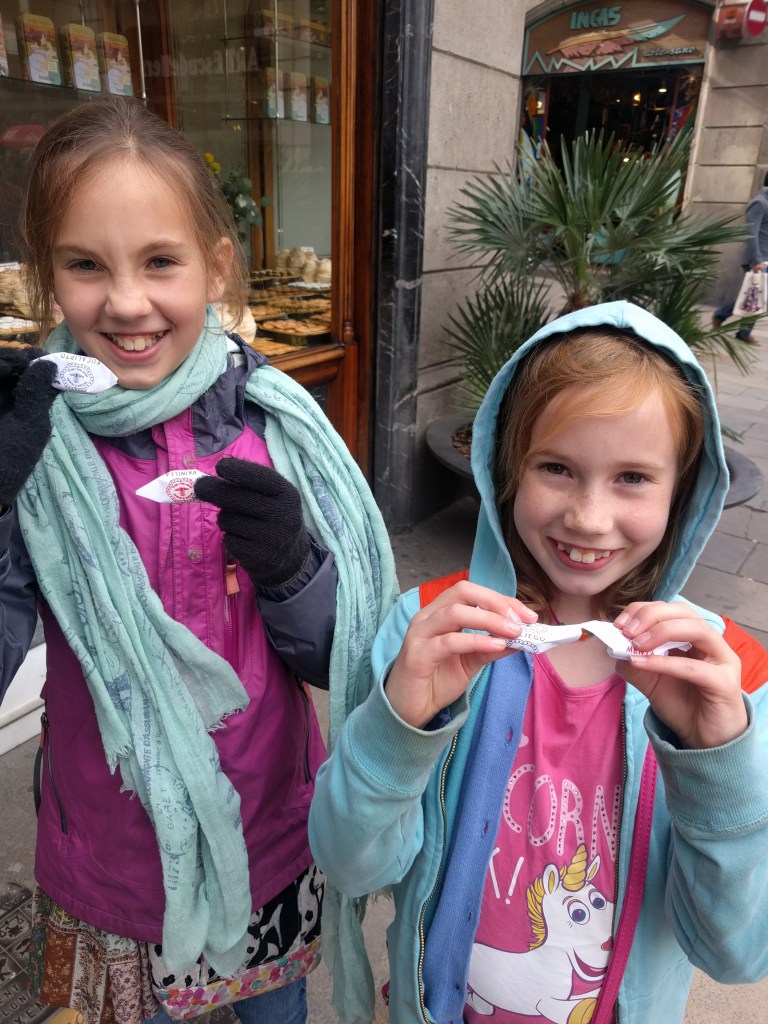
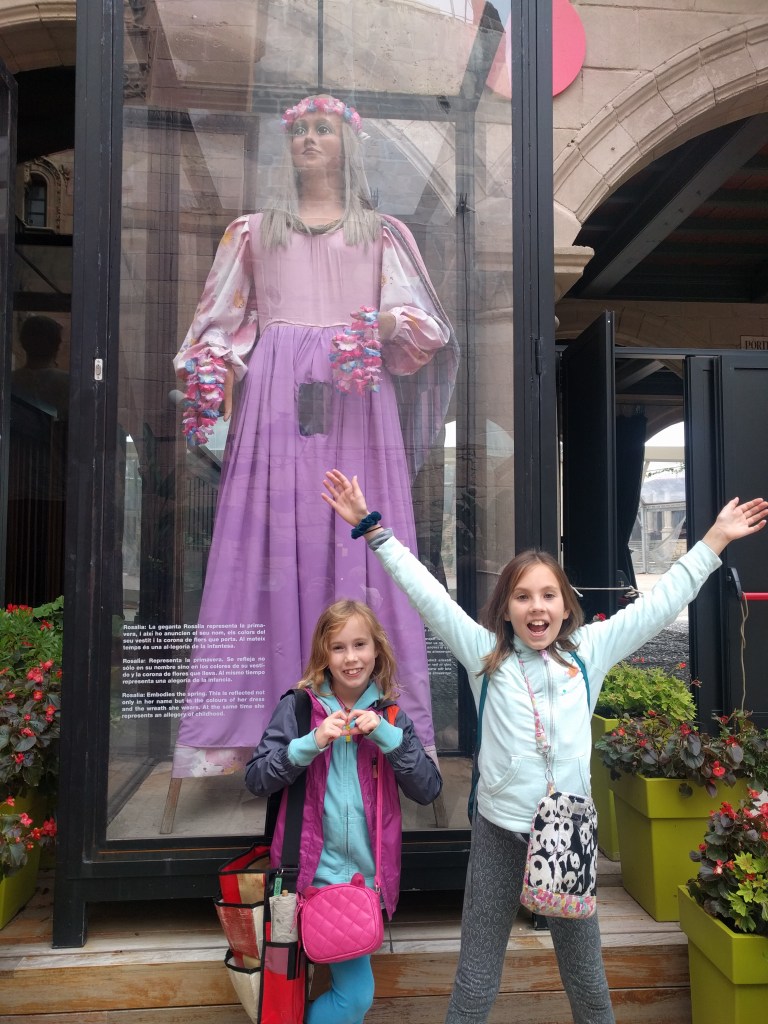
On Monday, we started our time in Barcelona with a visit to the Picasso museum. Our favorite paintings were the pigeon paintings and the paintings from when Picasso was young. We also enjoyed Picasso’s cubist version of Las Meninas by Velázquez. We saw the original Las Meninas in Madrid, so we spent quite a great deal of time comparing the two paintings and discussing how artists can take inspiration from other artists work. In the afternoon, we went on a walking tour. The tour we took was a tour specially designed for children, which the girls adored. We visited the oldest candy store in Barcelona, learned the myth surrounding how the Catalan flag was created, and practiced our acting skills by pretending to be historic figures like Queen Isabella and King Ferdinand. We learned about holidays in Barcelona, saw giants and began to understand how important they are for Catalan festivals, and learned some of the history of Barcino – Barcelona’s Roman name.

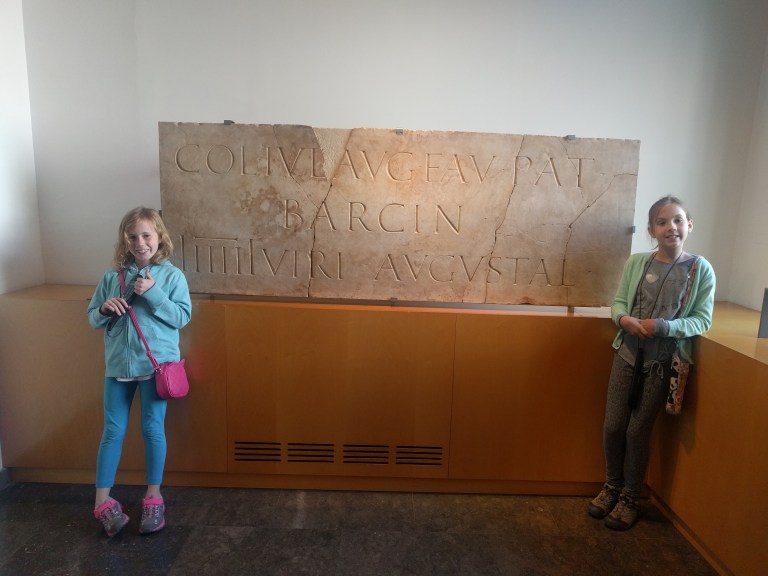
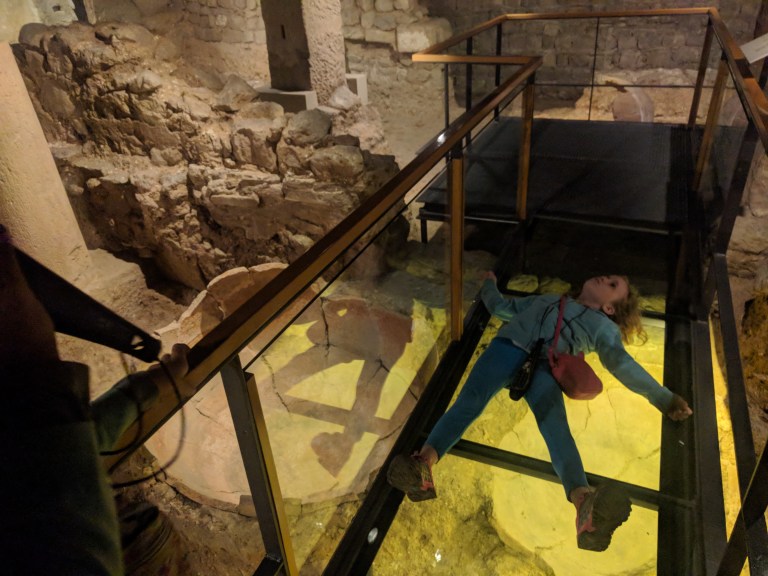
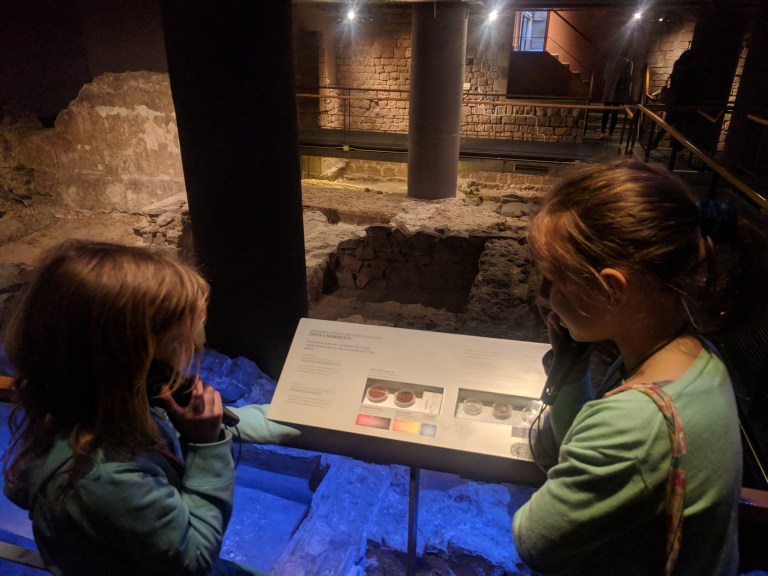
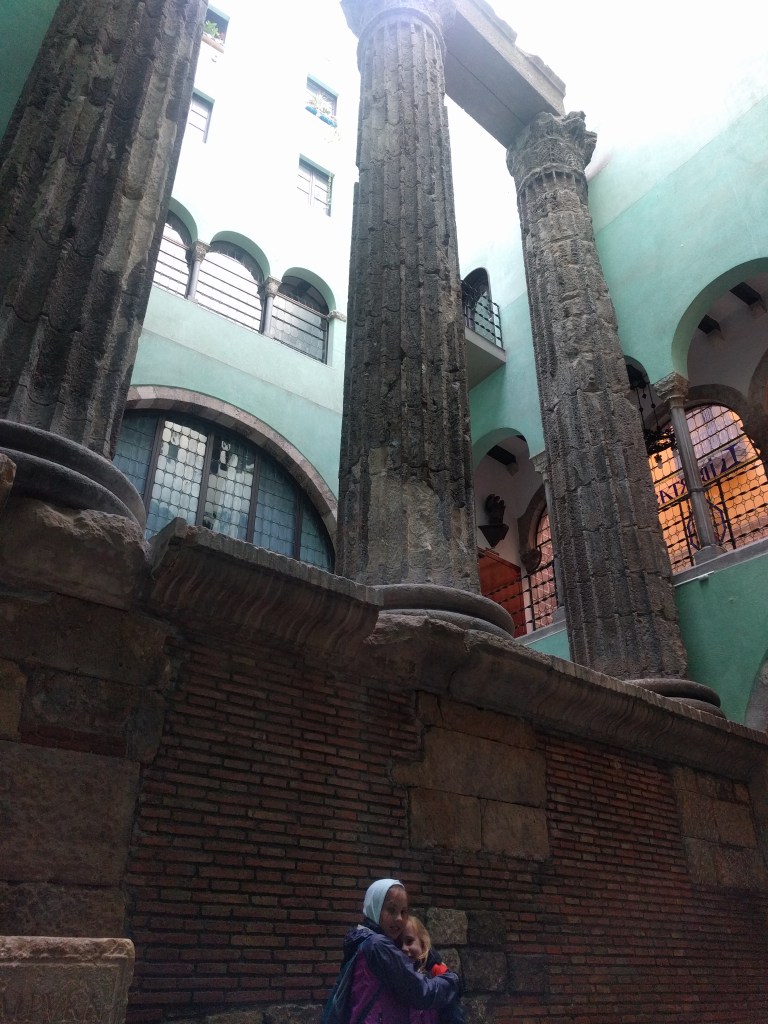
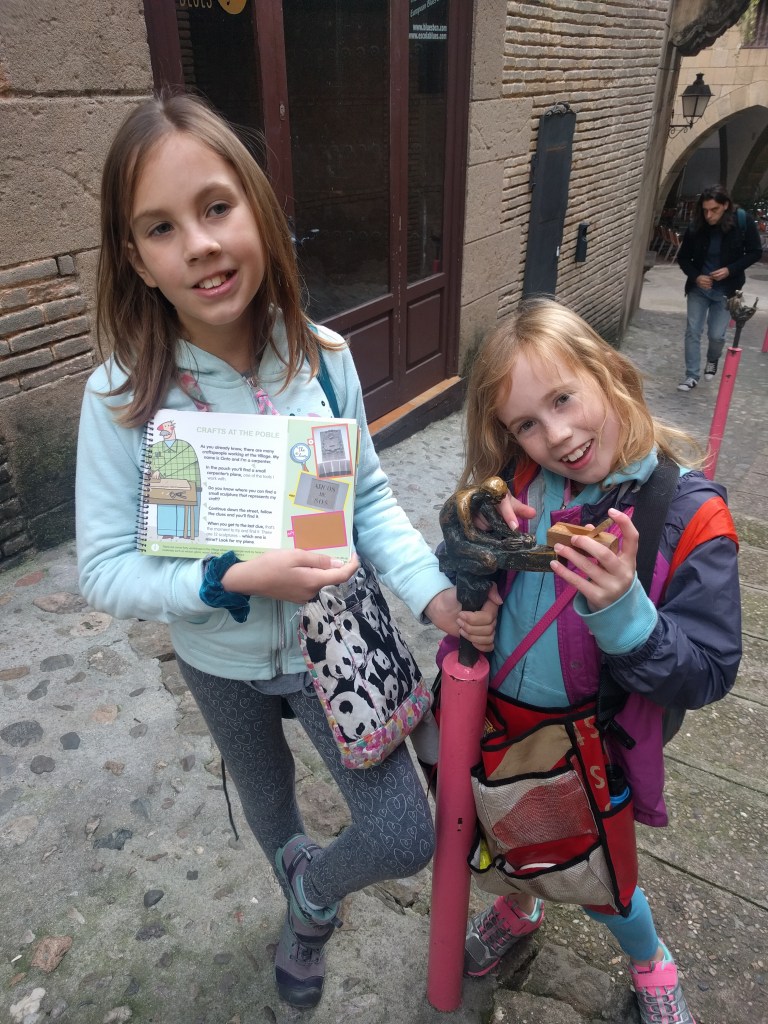
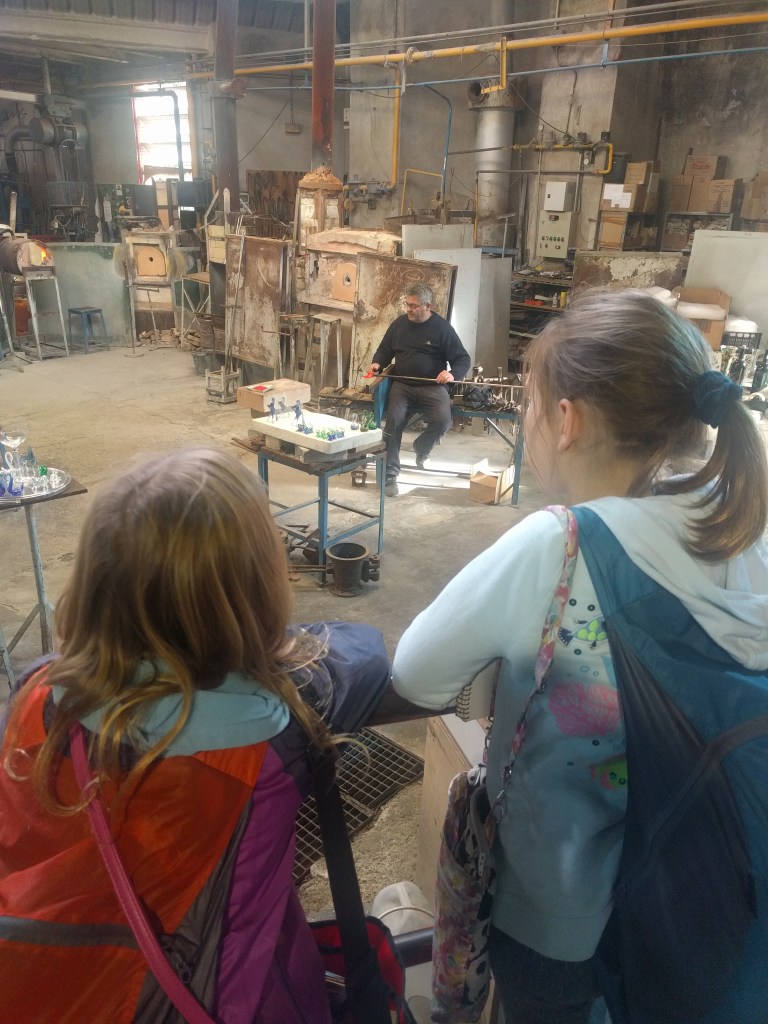
We had another double day on Tuesday, visiting the Barcelona History Museum and Poble Espanyol. The building currently containing the Barcelona History Museum was moved stone by stone to the current location. While doing construction, Roman ruins were found underneath the building. The ruins were left available to explore in the basement of the building. We loved exploring the ruins and learning about Roman baths, wine making and clothing making. Audrey was amazed at how advanced the Romans were when compared to the middle ages in Europe – especially the use of plumbing. Maurene’s favorite part of the museum was learning that the Romans used urine to cure the dyes in their clothing. After leaving the museum, we had the chance to go see some Roman columns preserved nearby from the former temple in Barcelona. In the afternoon, we visited Poble Espanyol. Poble Espanyol is a village that was built for the 1929 Barcelona International Exposition. It contains replicas of 117 buildings from across Spain and has local artisans making various items. There was a wonderfully set up kids scavenger hunt where the girls had to decipher clues around the village to learn more about the different regions in Spain that the girls adored. Our favorite part of our visit was watching a glassblower form different animals out of hot glass.

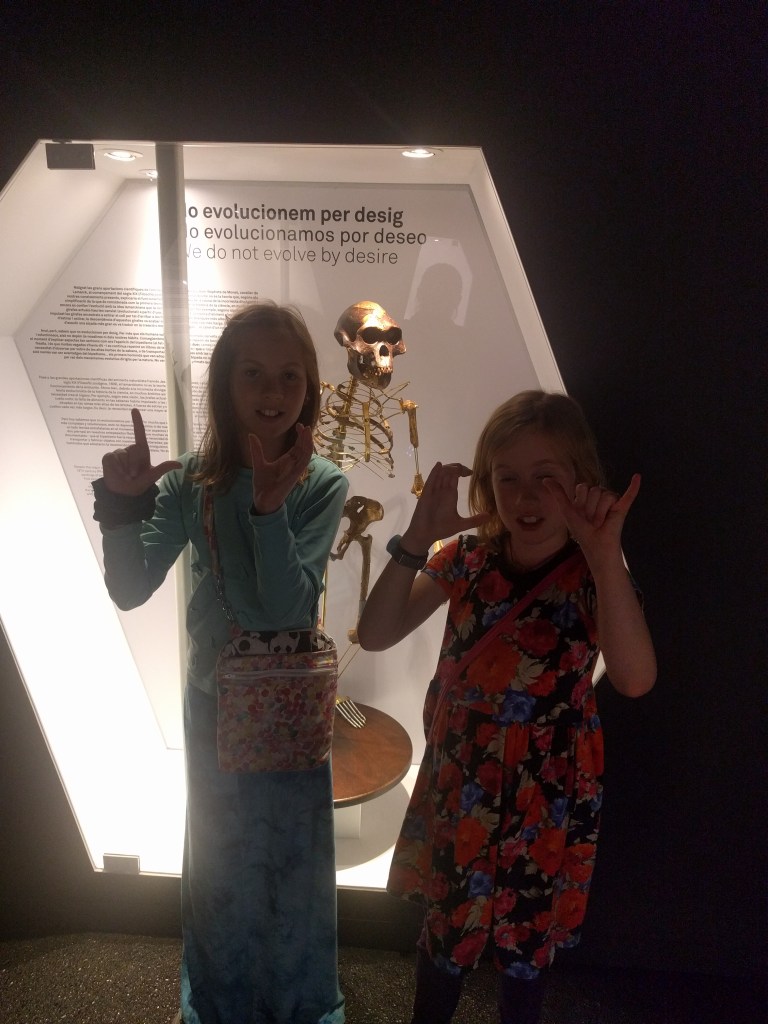
Wednesday was Halloween. We learned very quickly that even though many websites will say that people in Barcelona celebrate Halloween, they really don’t. At least not to the scale we are accustomed to in the United States. A few stores were decorated and we saw a couple of people with face paint, but generally it was a very normal day. We spent the afternoon on Halloween at the Egyptian Museum and the Barcelona Natural History Museum. The Egyptian Museum in Barcelona was a great little museum. We saw Ancient Egyptian furniture, a copy of the Rosetta Stone, and mummies! Maurene was most impressed with the toe of the mummy that was sticking out from his wrappings. The Barcelona Natural History Museum was focused on the development of the Earth. We learned about different eras and how the Earth changed over time. We also learned about evolution and saw how species evolved over time.


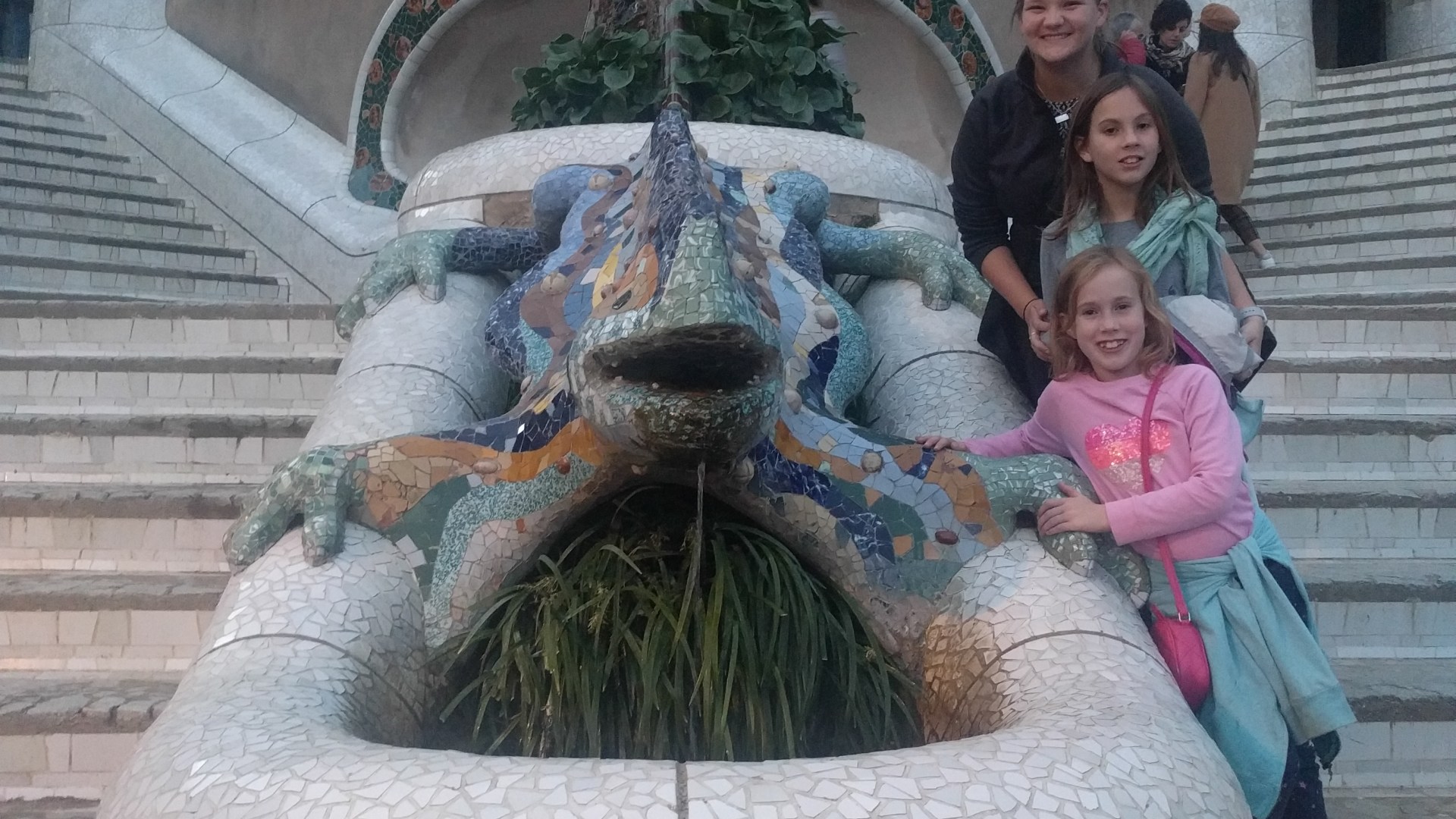
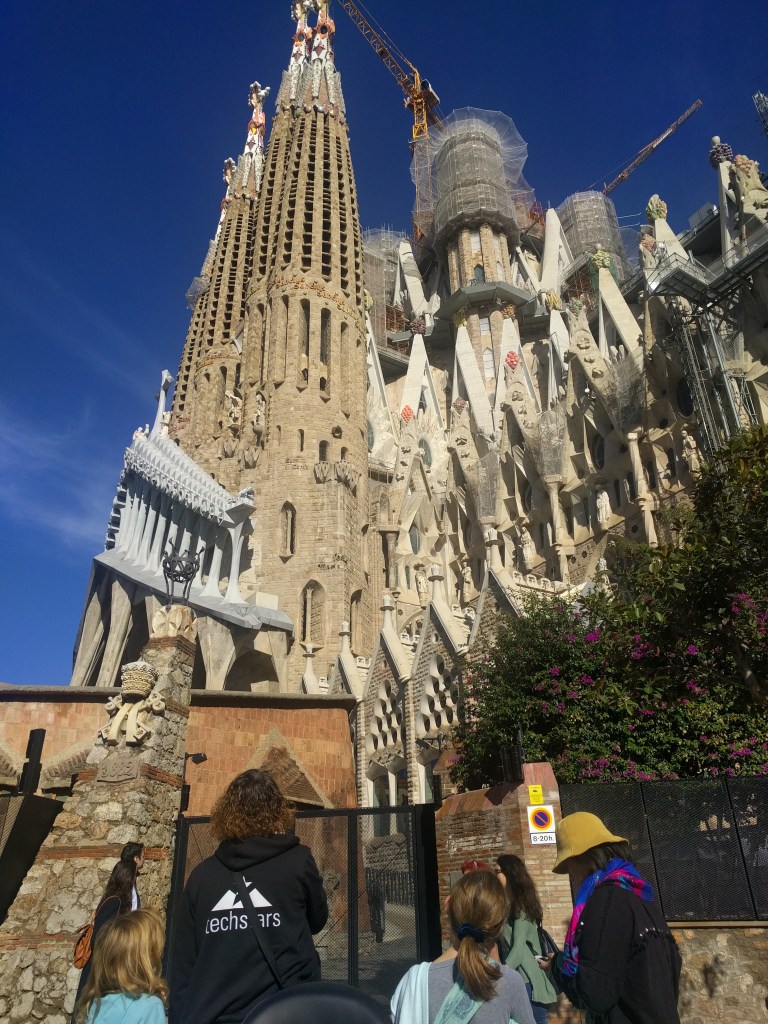
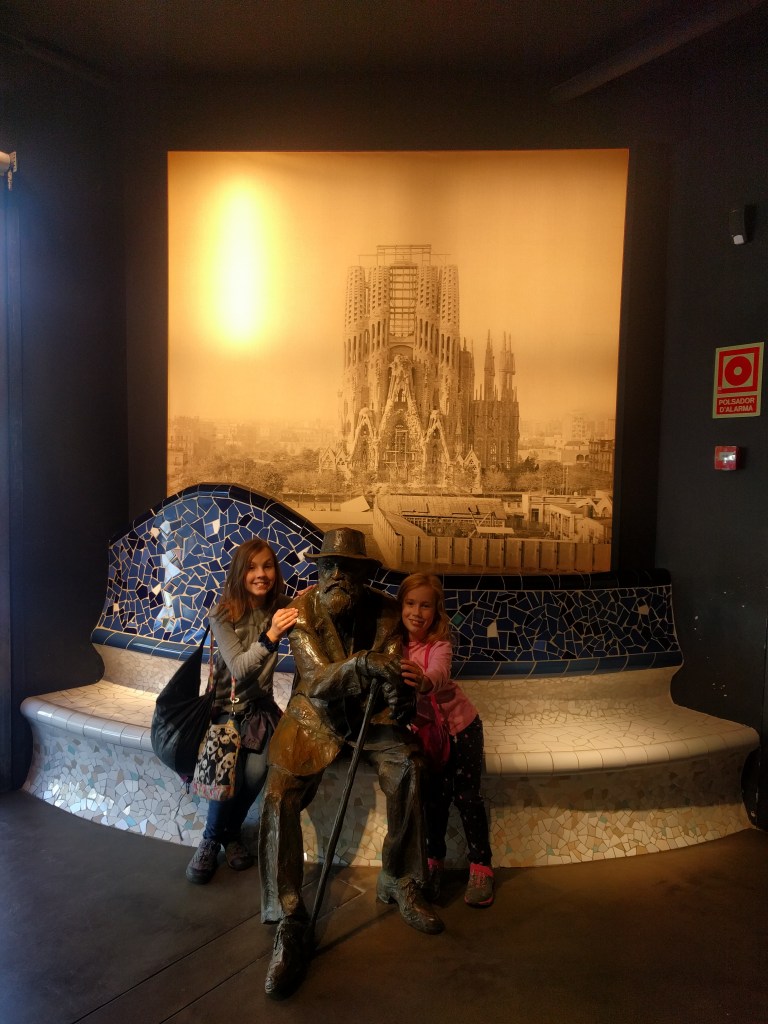
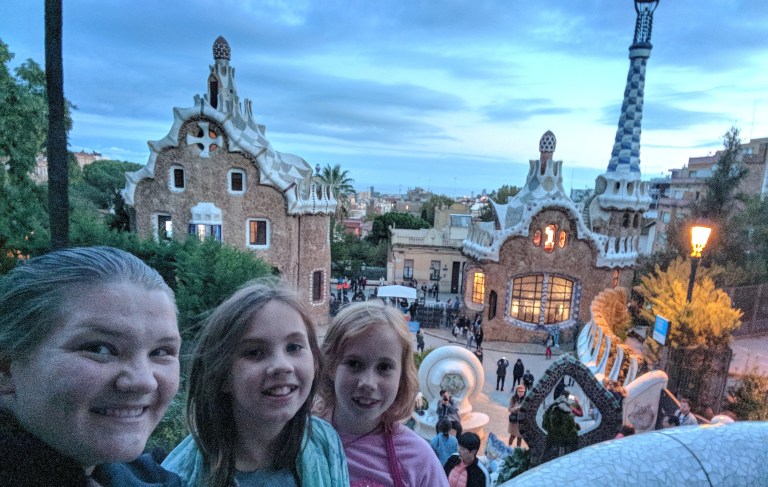
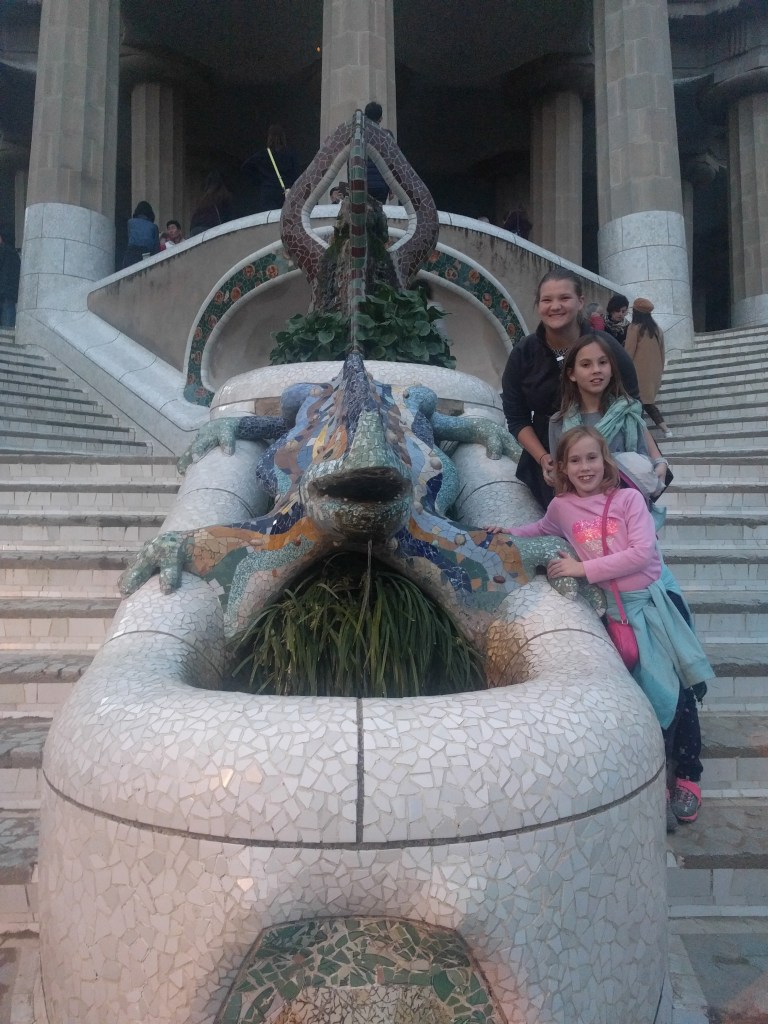
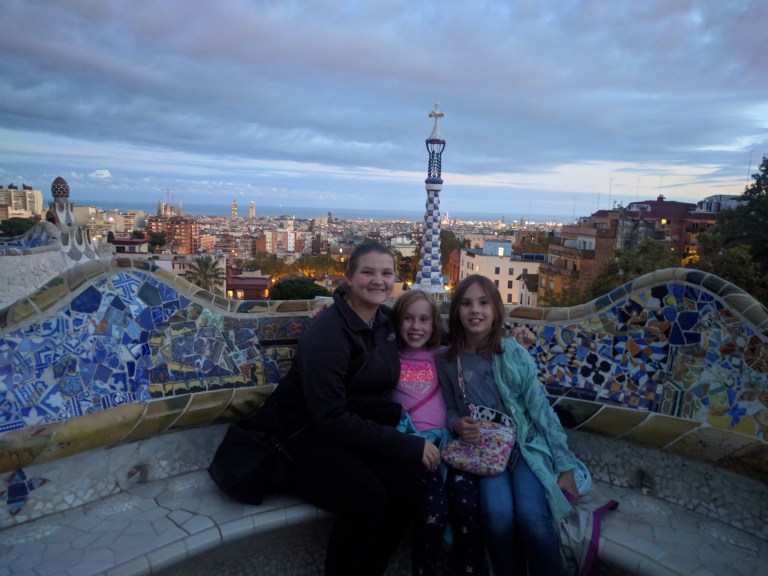
Thursday was All Saints Day, and while the Spanish people don’t really celebrate Halloween, All Saints Day is a national holiday. Most things that were not tourist focused were closed. Luckily, our plans were uninterrupted. When visiting Barcelona, there are buildings that stand out all over town. Some of the most famous are by the architect Gaudí. We spent Thursday exploring his buildings all across town. We began our day by visiting La Sagrada Família basilica. La Sagrada Família is incredible. Gaudí took over as the head architect in 1883. The basilica is not yet finished. The current builders are hoping that they can finish in 2026 in honor of the 100thanniversary of Gaudí’s death. Unfortunately, because our time was shortened in Barcelona and tickets sell out some time in advance, we were unable to go inside. We did however get to see the inside of the basilica, and many other of Gaudí’s buildings, in the Gaudí Experience. The Gaudí Experience was a 4D experience that showed the inspiration and building of Gaudí’s most famous buildings in a very engaging manner. After the Gaudí experience, we went to Güell Park. We had the chance to go in one of the houses that look like gingerbread houses and found the lizard we had seen on postcards all over town. We also saw two of Gaudí’s other famous houses: Casa Milà and Casa Battló. Our favorite part of the day was trying to figure out what elements of nature Gaudí used as his inspiration for each of the buildings.
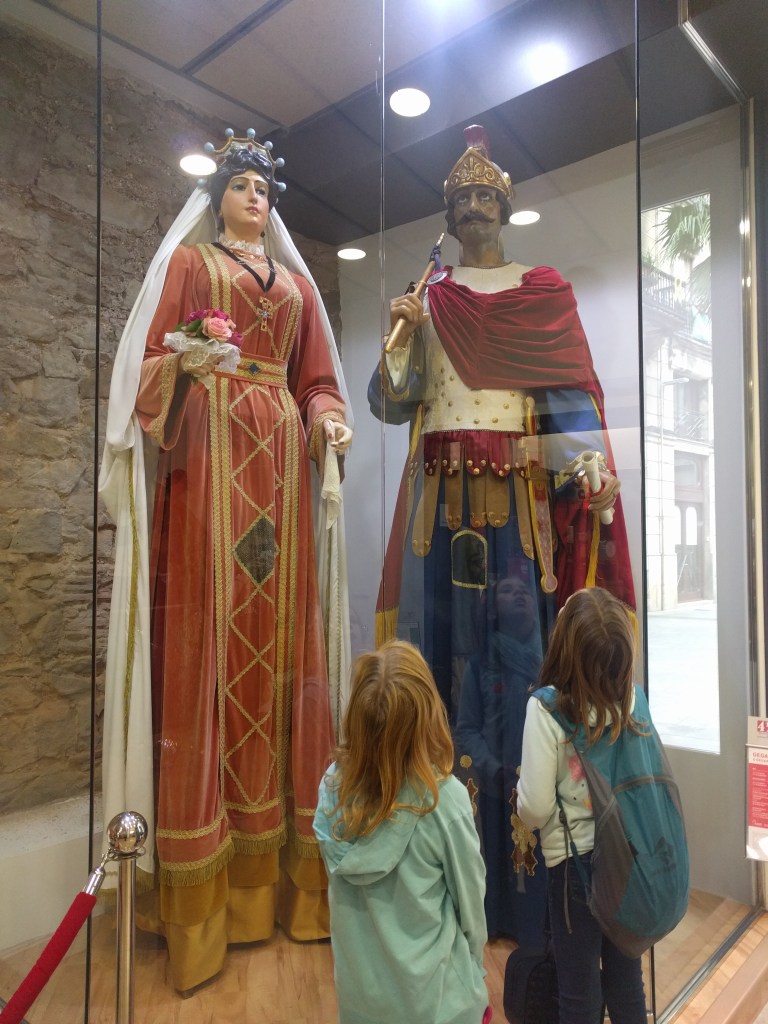
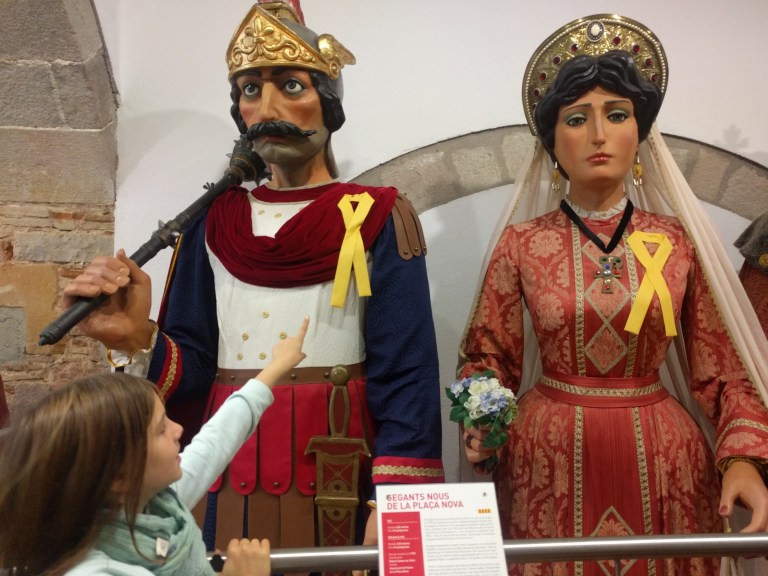
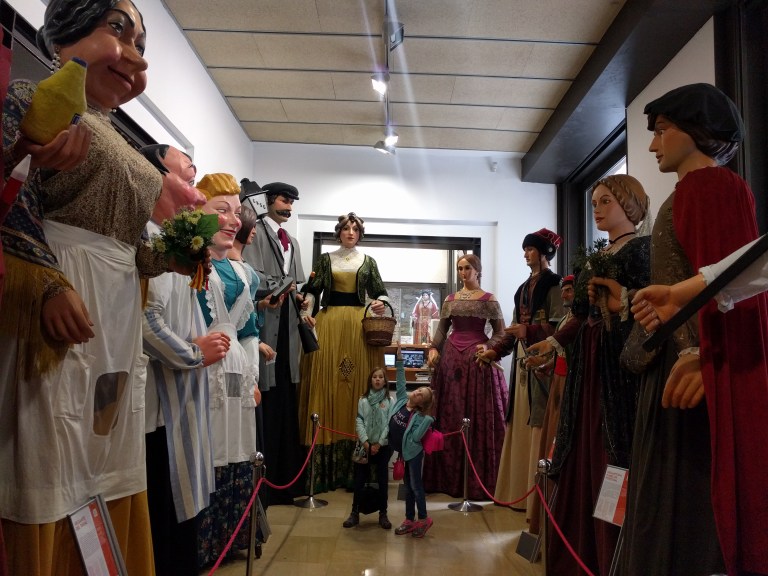
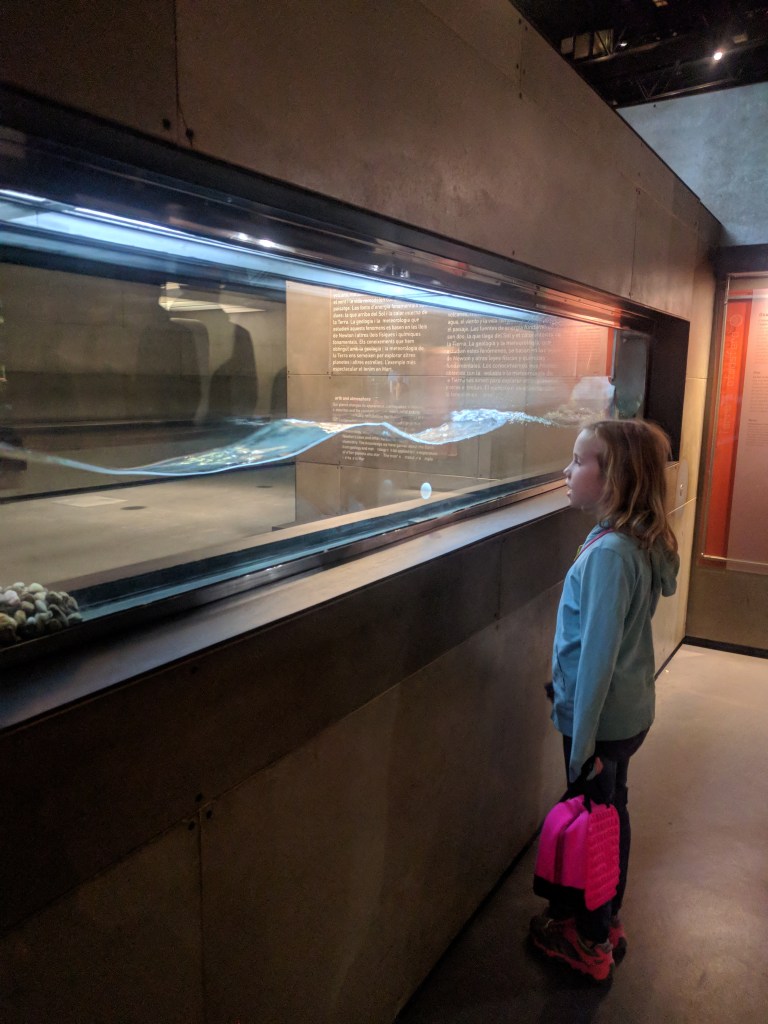
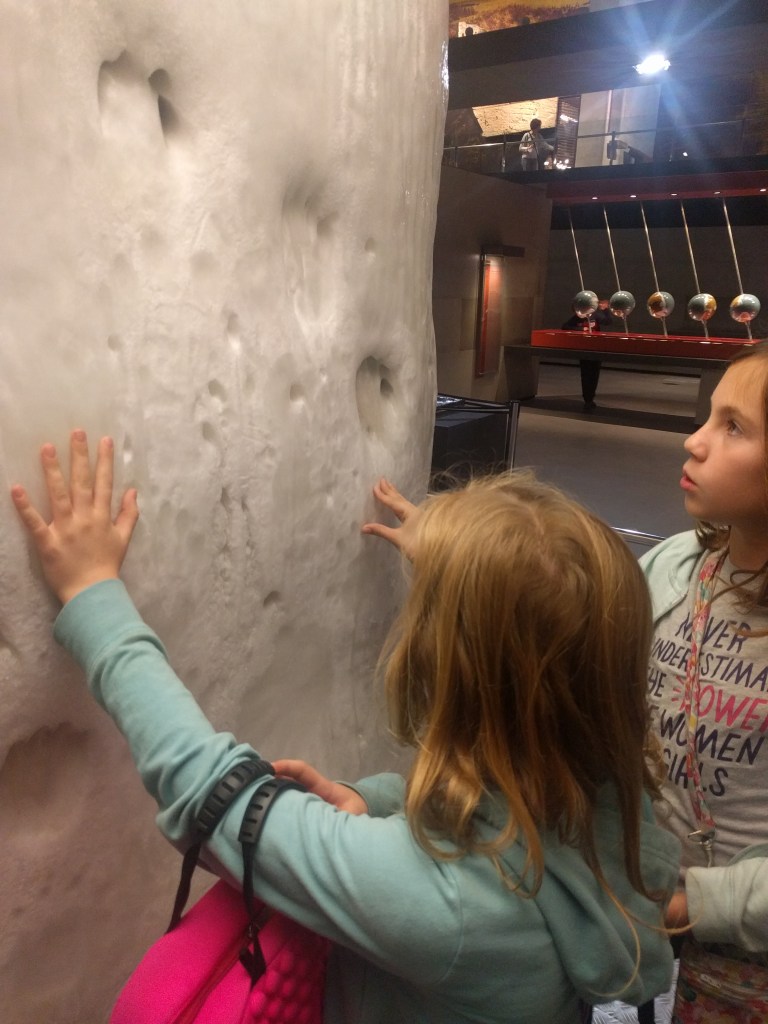
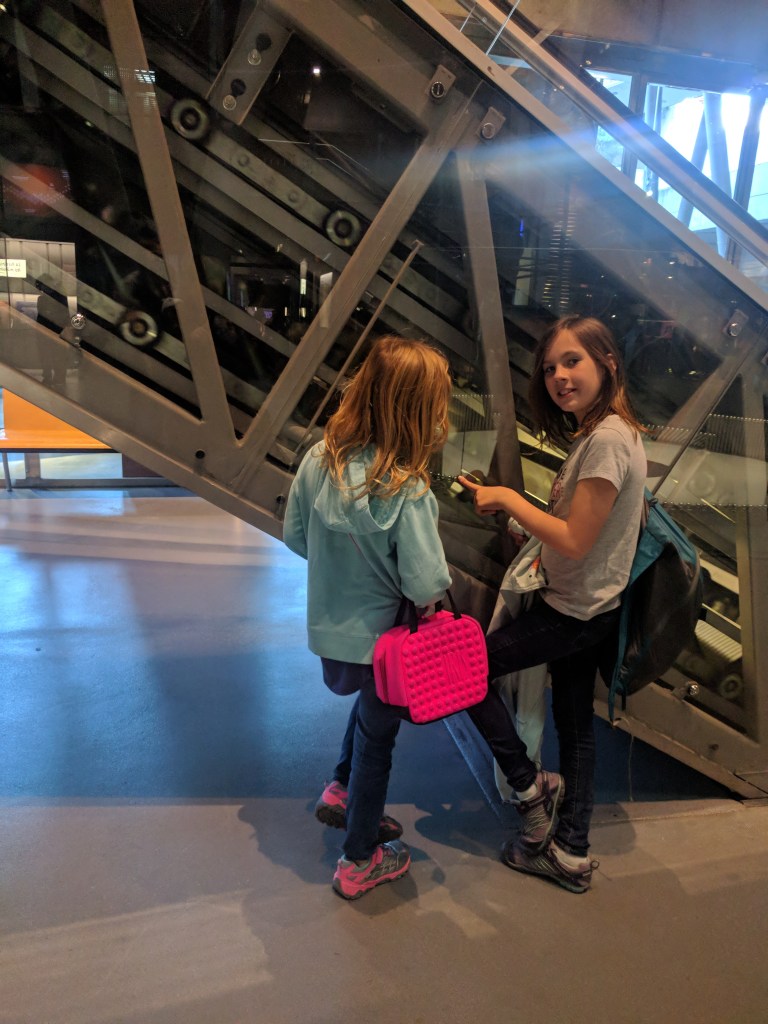
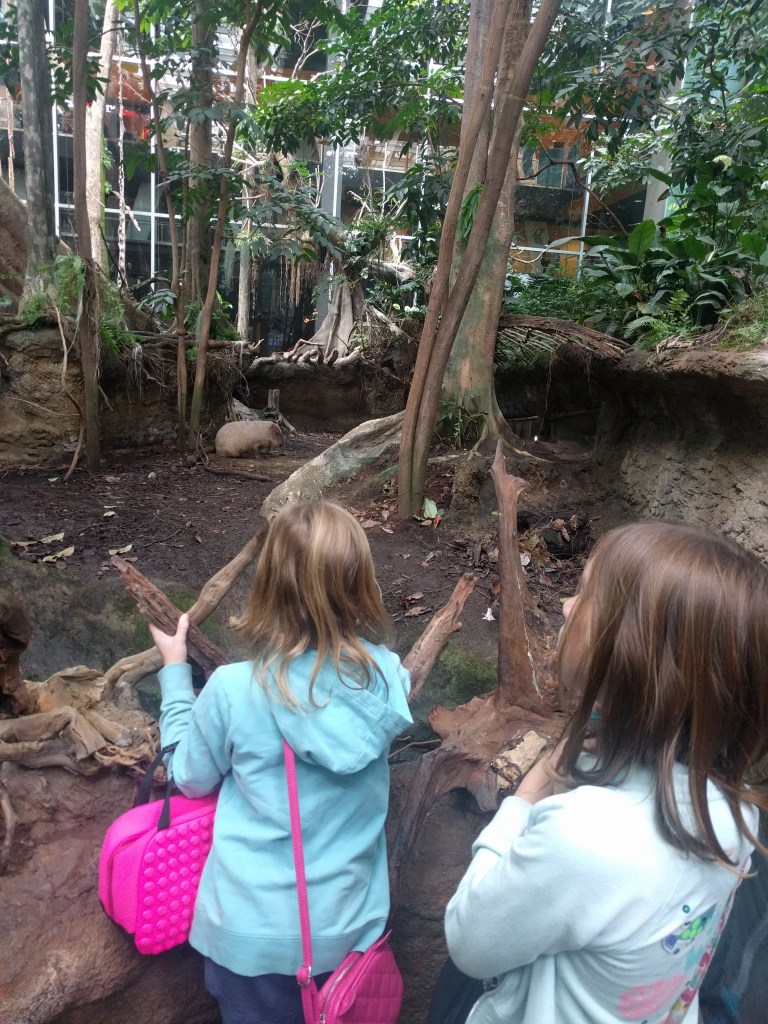
On Friday, we filled our final school day. We began with a visit to the Giants Museum. The Giants Museum contains 50 or so giants that are used for different festivals in Catalonia. Giants have been a part of Catalonian culture for hundreds of years. Wearing giant costumes for festivals and parades is a tradition often passed down within families. We saw animal giants, giants worn by children and giants that were 100 years old. Next time I’m in Barcelona, I hope to visit at a time when there is a festival going on to have the chance to see the giants in use. After visiting the Giants Museum, we went across town to visit the CosmoCaixa science museum. There must have not been school for the local children on Friday, because the museum was packed. We could not get tickets to any of the smaller parts of the museum, but were luckily able to visit the main part of the museum. The most amazing part of the museum was the flooded rainforest ecosystem built in the center of the museum. The hit of the day was learning about and seeing a capybara – the world’s largest rodent! There were also fascinating exhibits about temperature, measurement, and forces. We also had the chance to see the inside of a working escalator because the sides of the museum escalators were see-through! If we had more time, we definitely would have come back to the CosmoCaixa science museum to explore more.

Things I’ve learned in Barcelona:
- The people of Barcelona don’t celebrate Halloween or Dia de los Muertos like many websites say they do. However, they do celebrate All Saints Day!
- There are 7 UNESCO world heritage buildings built by Gaudí in Barcelona.
- Unfortunately, Gaudí died from injuries sustained by getting hit by a tram.
- Even on the coast of the Mediterranean Sea, it gets cold.
- The yellow ribbons all across town are in support of Catalonian independence, which is a very controversial subject.
- School is taught in Catalan, with Spanish being taught as a second language, and English as a third.
- Nativity sets in Barcelona include a pooping shepherd.
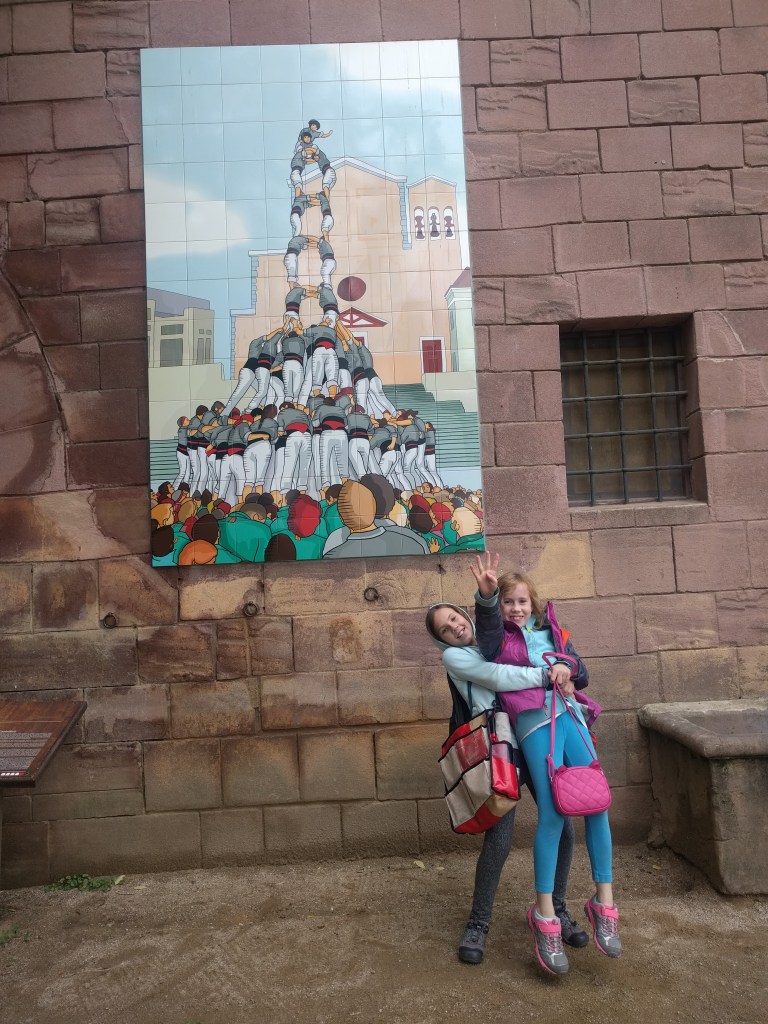
- People in Catalonia are very serious about their people towers (Castellers) and about their giants.
- For Valentine’s Day, traditionally, women get a rose and men get a book.
- Many iconic parts of Barcelona were built for the 1888 World Exposition and the World’s Fair in 1929.
- The Moors were only in the part of Spain containing Barcelona for around 70 years. This is why so few buildings in Barcelona have Moorish architecture compared to other places in the Iberian Peninsula – like Madrid and Lisbon.
 Tales of a Traveling Teacher