After spending a little while getting the family settled into their new house in Hawaii, we restarted the world tour. For our second segment, we are visiting New Zealand and Australia.
This was our first time crossing the international date line, which is a pretty crazy experience. We left Hawaii on Saturday morning, and arrived in Auckland on Sunday evening. We had pretty much no jet lag because the two time zones are only an hour apart – but with Auckland being a whole day ahead of Hawaii.
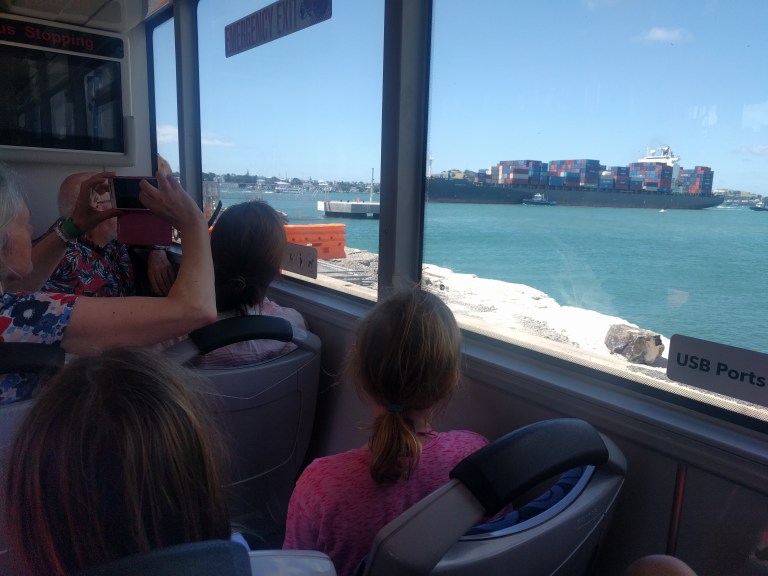
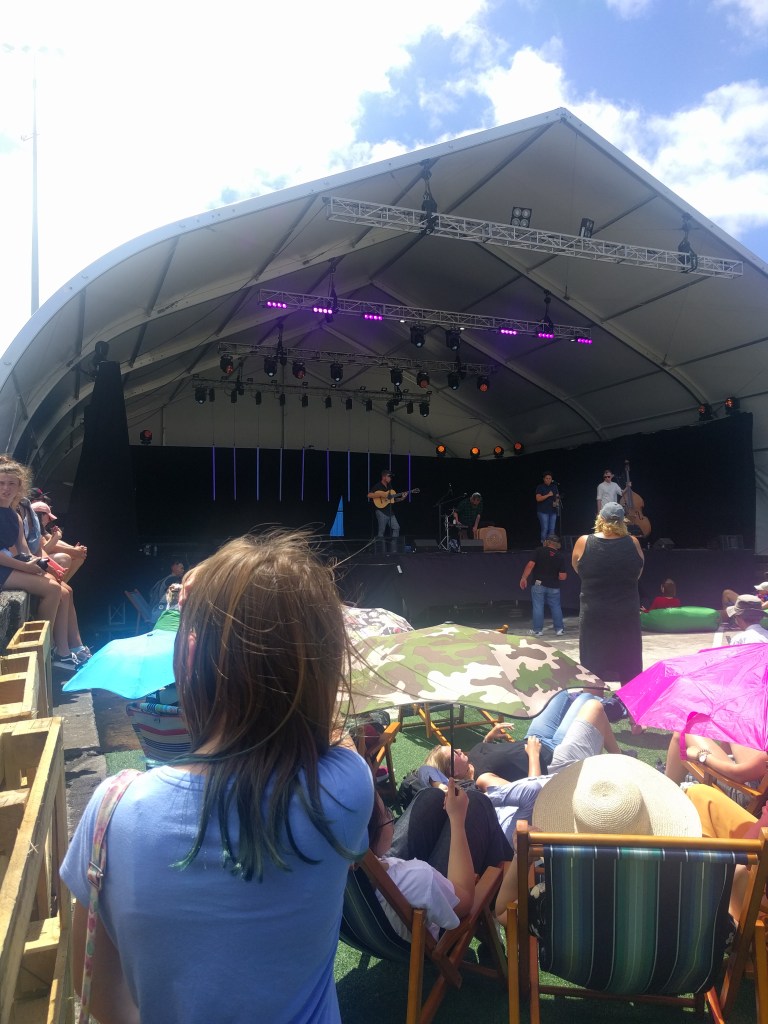
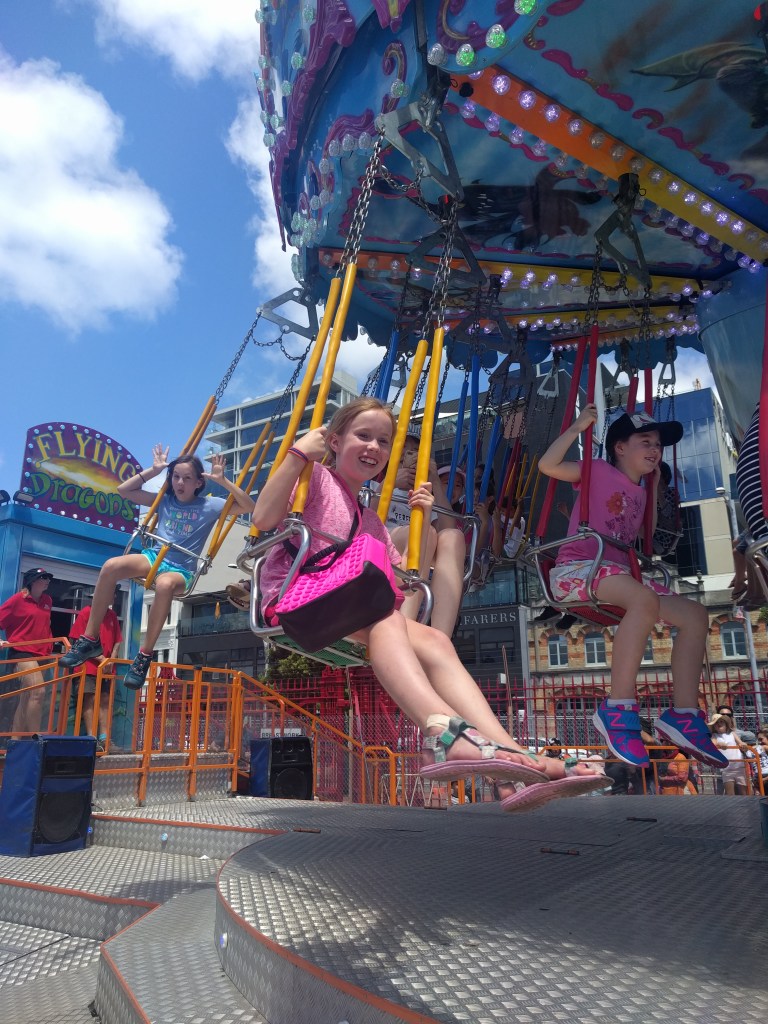
We arrived in Auckland just in time to celebrate Auckland Anniversary Day. Even though it altered our original plans, we decided to roll with the local culture and spend the holiday out celebrating. Auckland Anniversary Day is celebrated in honor of the day that the north islands of New Zealand were spotted by explorer and first governor of New Zealand, William Hobson. After doing some research into Auckland Anniversary Day to discover what we were celebrating, we went down to the Auckland port to one of the local festivals. We took a tour of the port to learn more about the importance of shipping to an island nation, as well as learn about how ships are unloaded and loaded within the port. We also spent some time listening to a local band, watching the boats in the harbor that had finished racing, and enjoying the carnival activities.
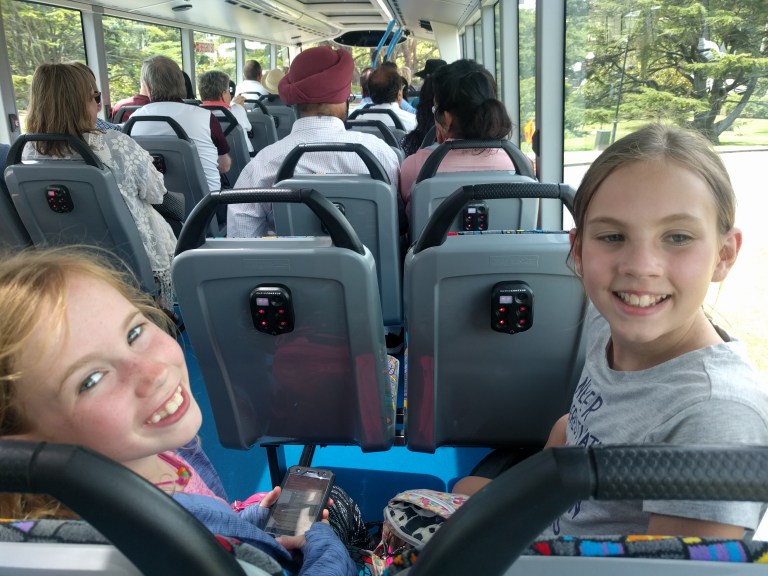
We picked up Tuesday with our scheduled activities, and began to see more of the city on a bus tour. We previewed many of the places we planned to go during our time in Auckland, including the Waitemata Harbour, the Auckland War Memorial Museum and the Michael Joseph Savage Memorial Park. We also had the chance to see Sky Tower, which is the tallest freestanding building in the Southern Hemisphere. Maurene loved the idea of bungee jumping from the top, but unfortunately for her, she’s not old enough.
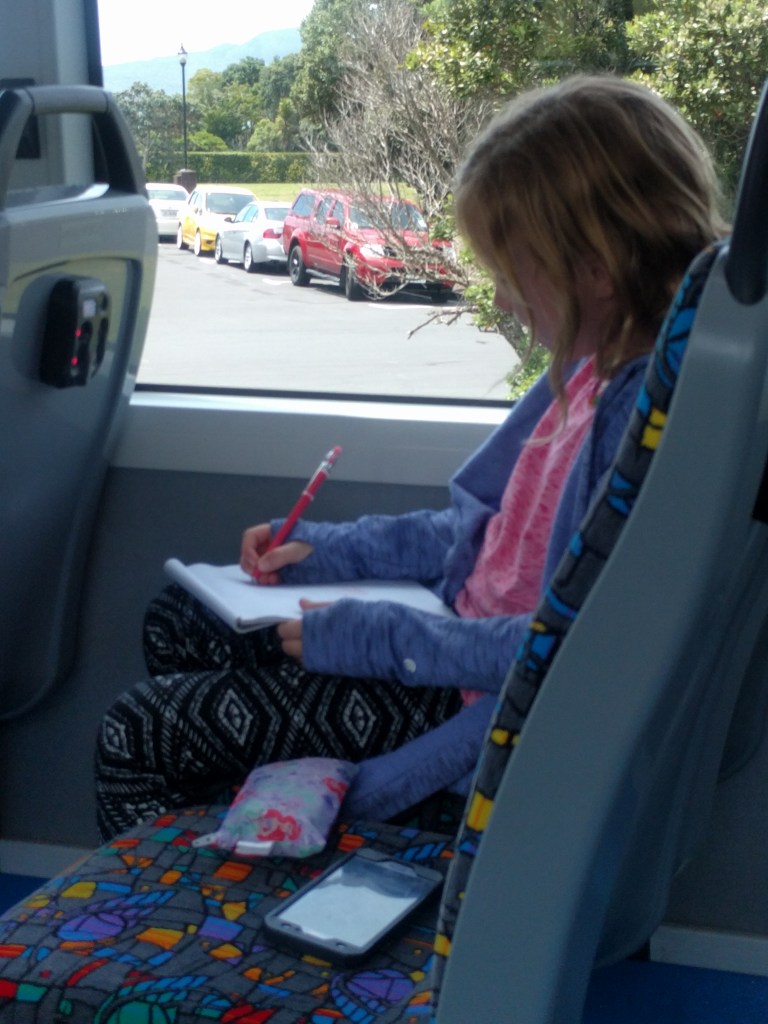
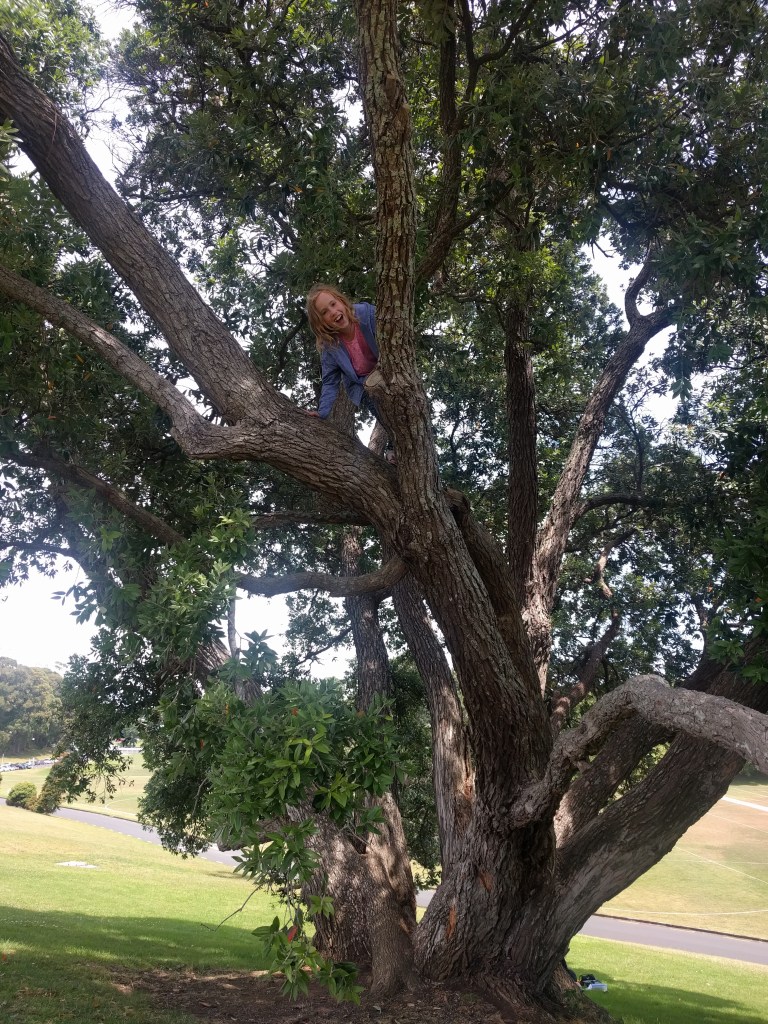
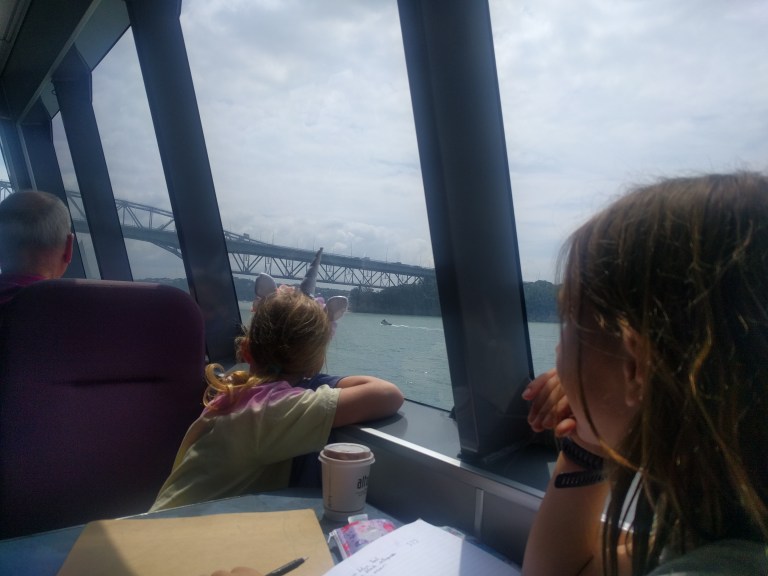
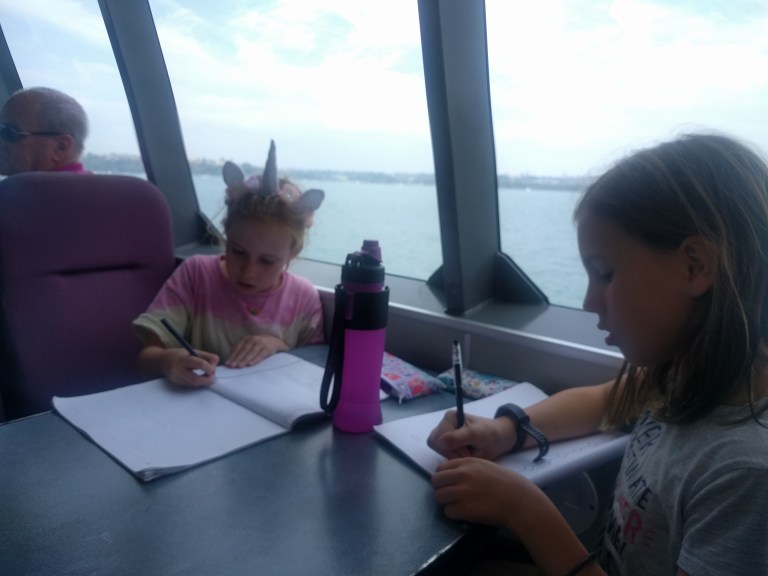
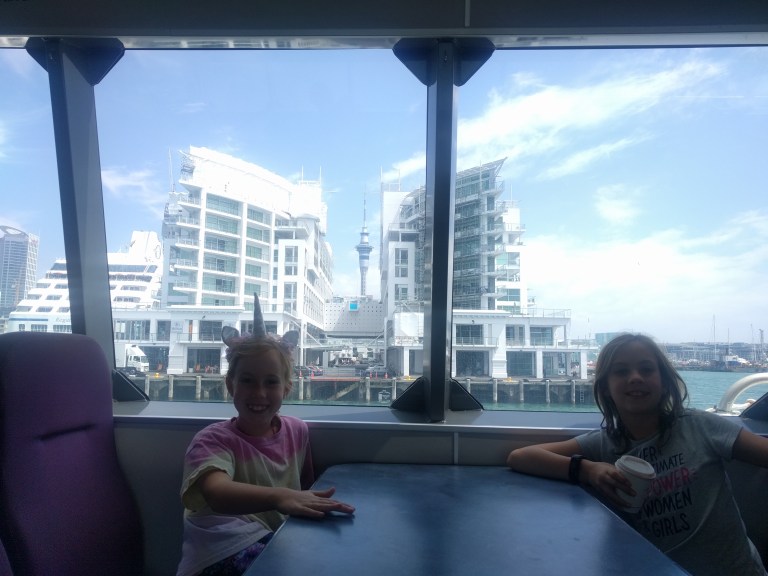
We spent the afternoon on Wednesday taking a harbor cruise around the Waitemata Harbour. Audrey spent the cruise taking notes about Auckland, and Maurene spent the cruise drawing the scenes from outside the window. Our favorite parts of the cruise were learning about all the volcanoes in the area, learning more about the pest free islands being used to help repopulate local endangered species, and watching people bungee jump from the harbor bridge. One person even bungeed so far down that they were dunked under the water! Maurene once again thought it looked wonderfully fun, but I thought it just looked rather painful. She decided that she wants to come back in a few years once she’s old enough to participate in the bungee jumping, and jump from as many places as she can.
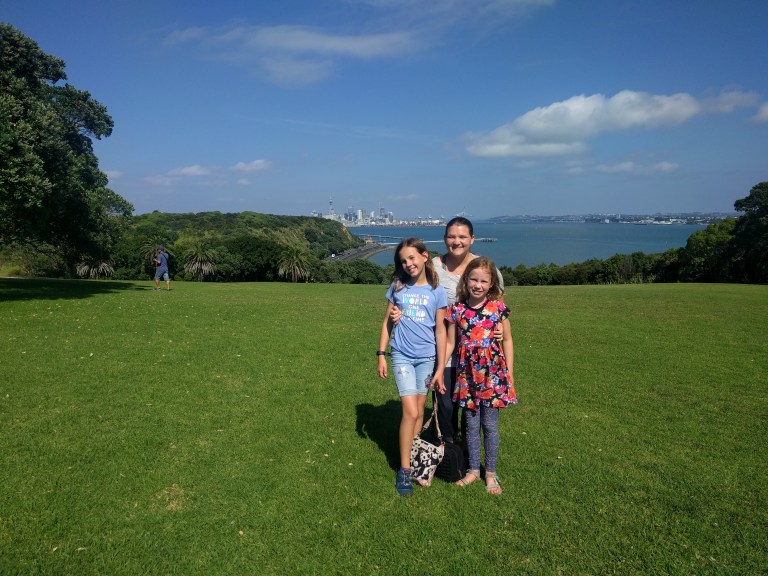
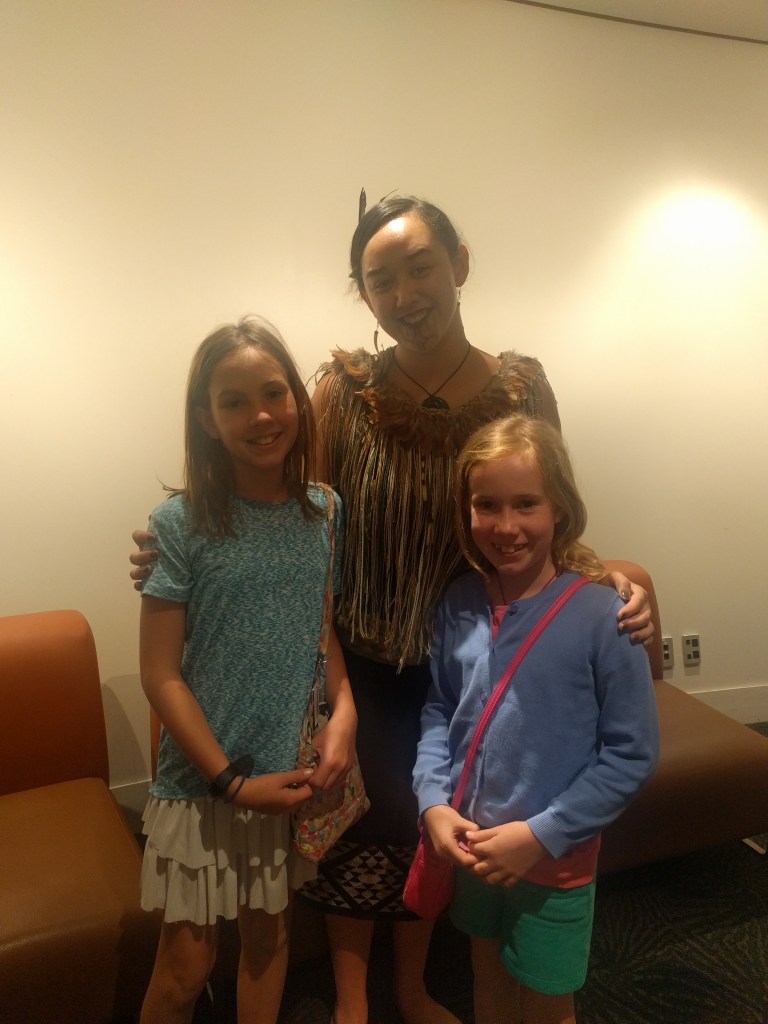
One of the most interesting parts of New Zealand for me, and I think for the girls too, was learning about the Maori history. We focused on Maori history on Thursday, visiting some of the land owned by a segment of the Ngāti Whātua iwi, a local Maori tribe. Throughout our tour, I was amazed at how resilient the people of the Ngāti Whātua iwi are. As we walked around the land, we had the chance to meet several of our guide’s family members and hear many stories. We heard how the Maori ancestors came to New Zealand in seven canoes, and how each person that currently lives on the land we toured was descended from the same canoe. We heard how some of the Maori land, where Auckland is located now, was sold for pretty much nothing to the Europeans by the Ngāti Whātua people when the Europeans came. We also learned how much of their remaining land was stolen over time, with various excuses used. The most shocking story to the girls and I began that at one point, the Ngāti Whātua people had their homes alongside the road at the base of the Bastion Point, or Takaparawhā in Maori, near the harbor. In 1952, the Queen of England came to visit Auckland. Before her arrival, the homes were deemed an eye-sore and the Ngāti Whātua people were evicted before the homes were burned. Then, they were “allowed” to rent homes built by the government on their own stolen land. At one point, all the Ngāti Whātua people had left was their tribal burial ground, and potential claim to 60 acres of uncommitted land that the tribe hoped to get back. Then, the crown announced that the remaining 60 acres was to be sold for high income housing. Our tour guide told us how his uncle helped to lead an occupation of Bastion Point to try and save the last of their land. Between 1977 and 1978, The Ngāti Whātua people stayed on Bastion Point for 506 days. This occupation led to the government of New Zealand giving some of the land back, as well as admitting some of the wrongdoings of the government and awarding some financial restitution. I was absolutely astounded that even though the people we met had such incredible hardships in their family histories, they were all so kind and inviting to each of us. We walked away from this tour changed, wanting to be kinder people.


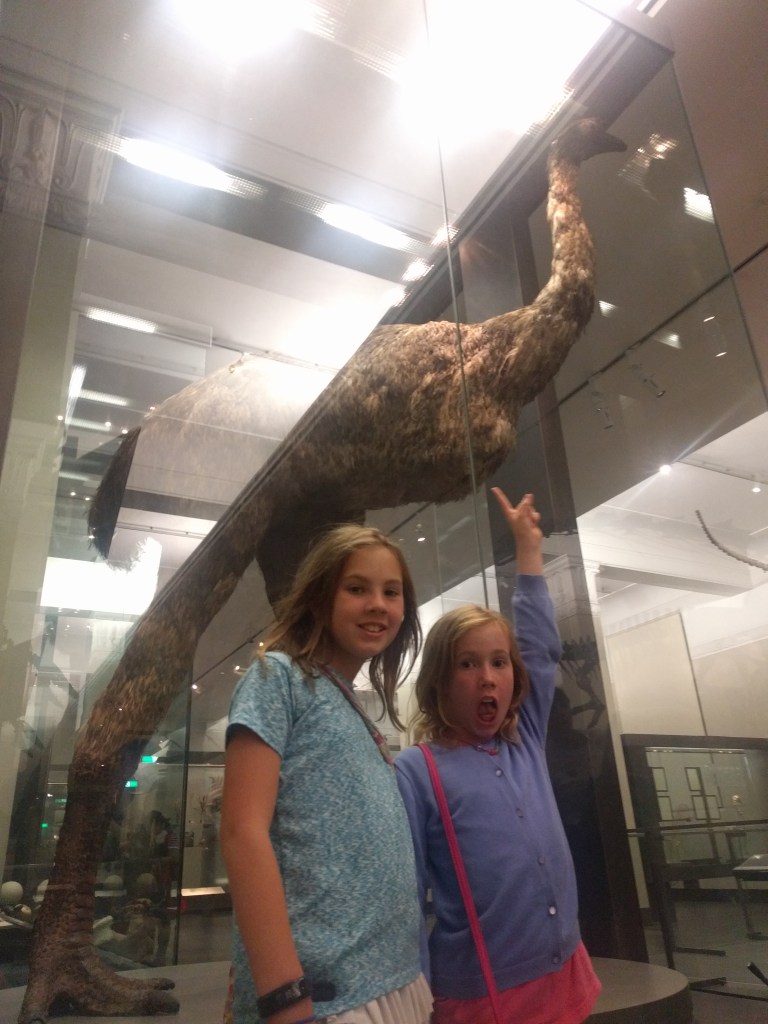
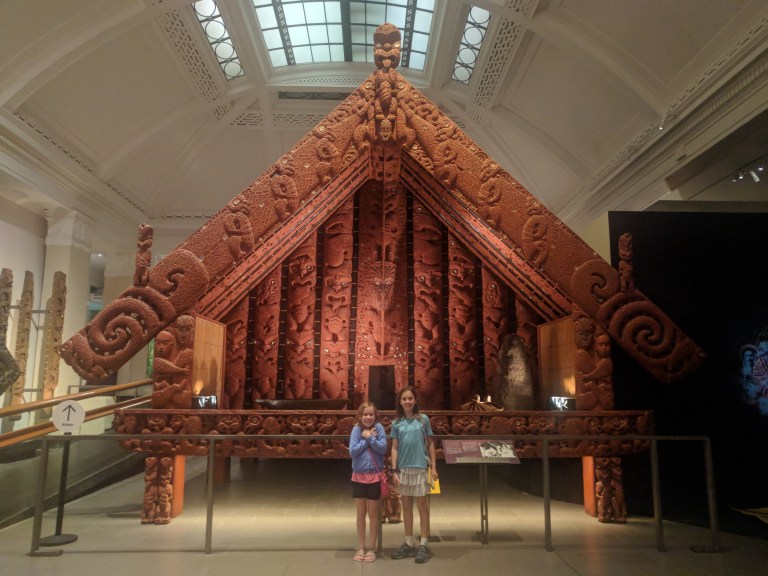
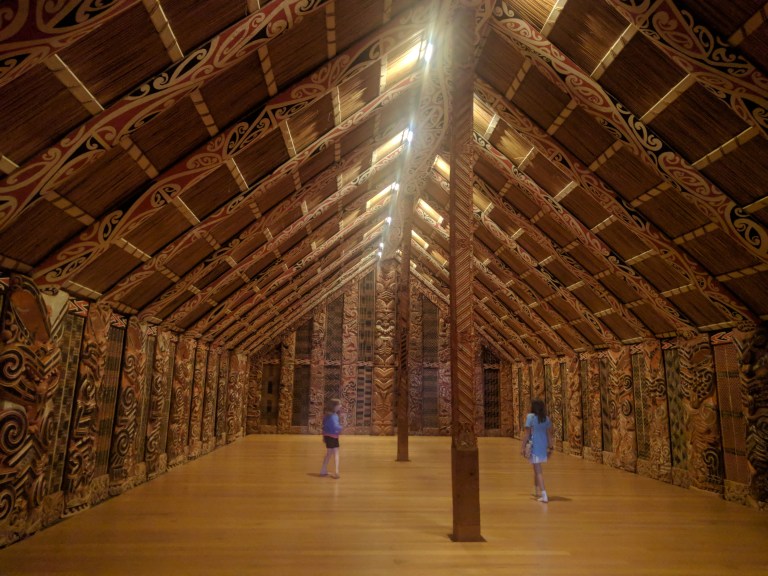
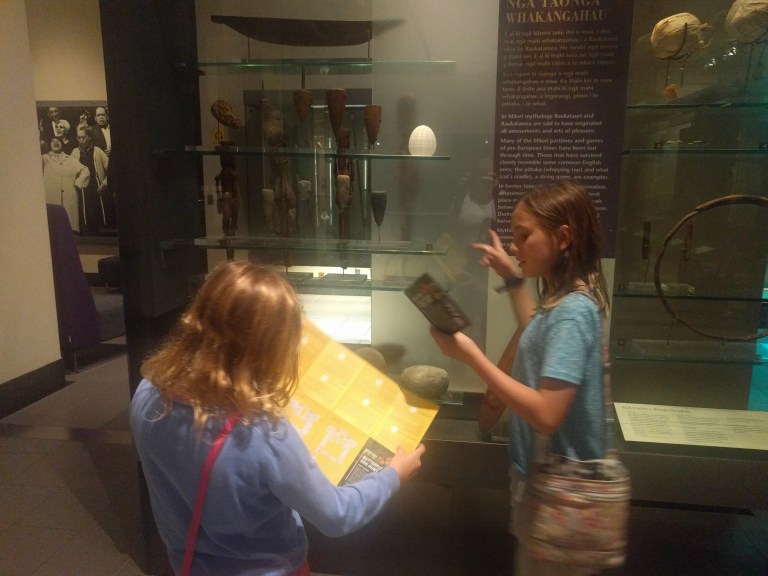
To finish our week, we visited the Auckland War Memorial Museum. This was a fascinating museum, because it is part museum and part war memorial. We explored many Maori artifacts, and marveled at the similarities to some Hawaiian artifacts. The girls enjoyed participating in a scavenger hunt around the museum, learning about historical artifacts from New Zealand while counting “butterfly eggs” before visiting a temporary exhibit about butterflies. Our favorite parts of the museum were learning about the 12 foot Moa bird that used to live in New Zealand, and watching the Maori Cultural Performance.

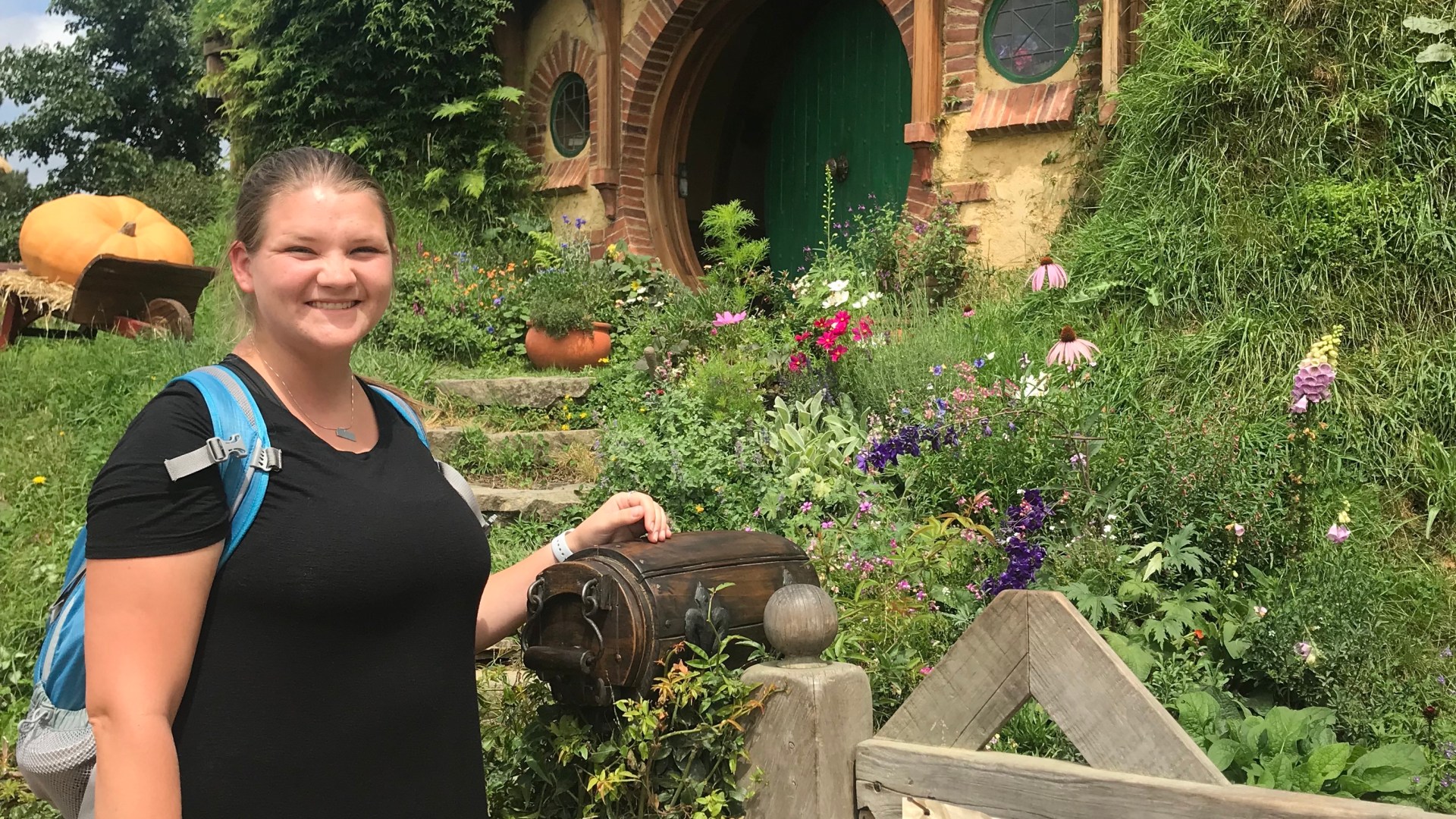
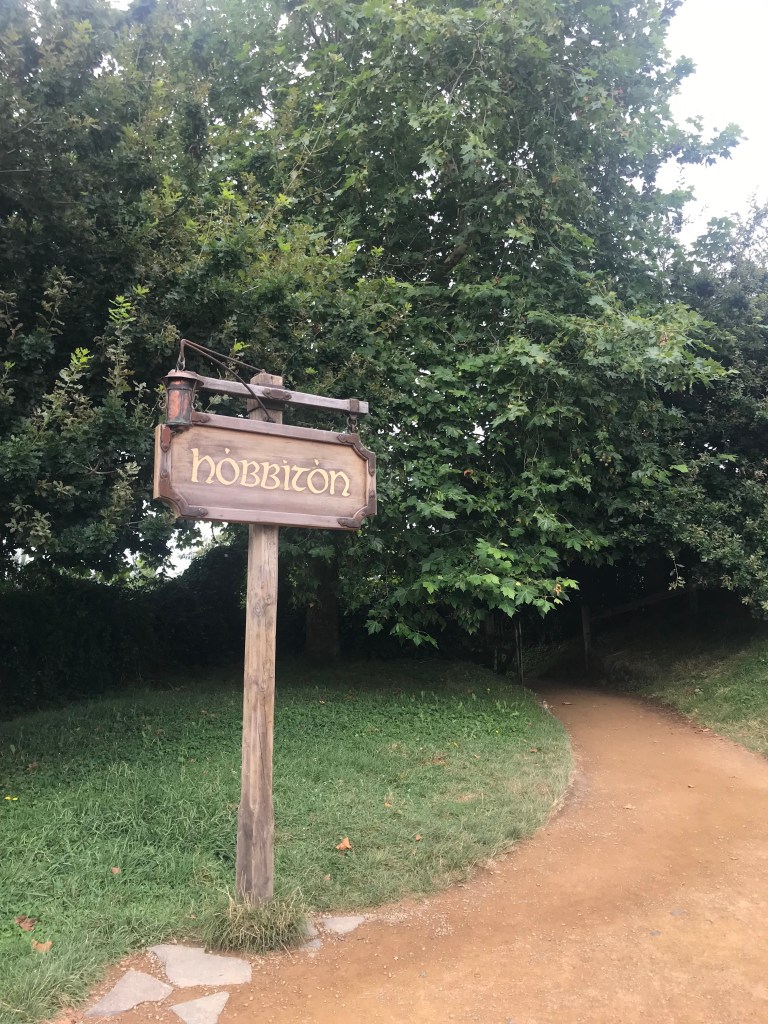
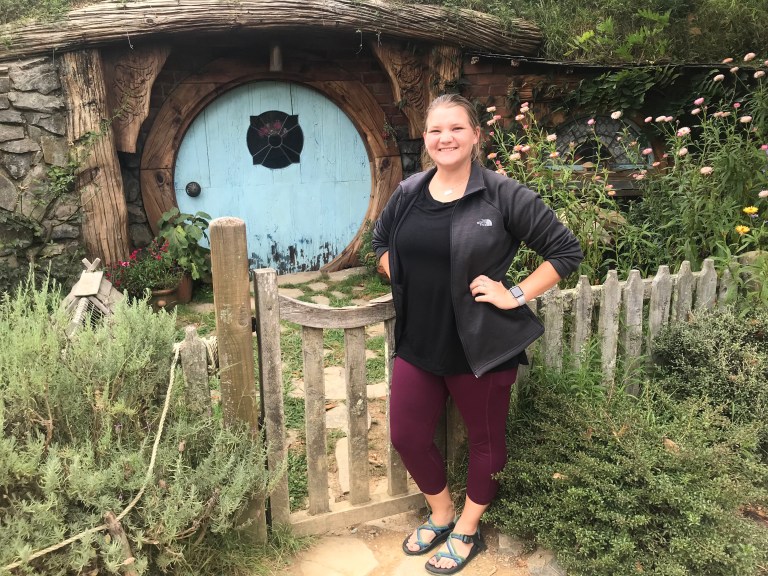
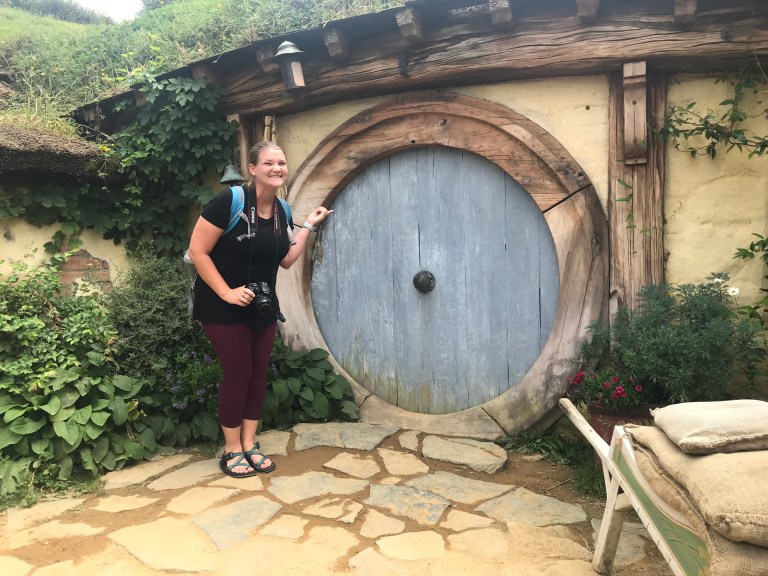
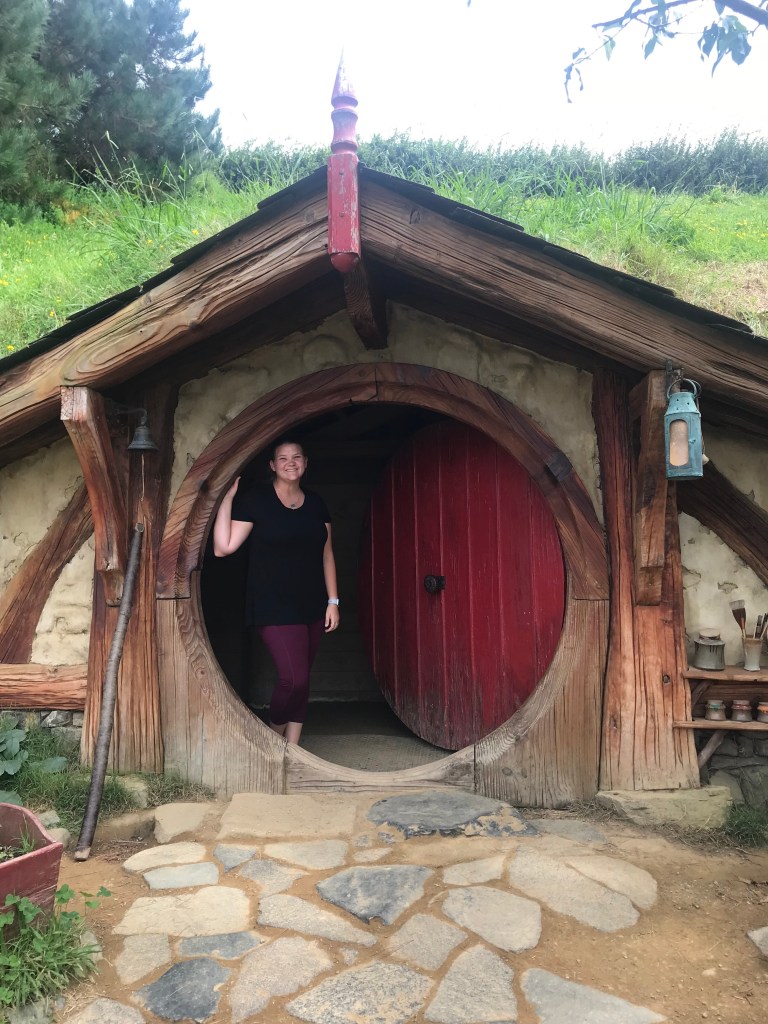
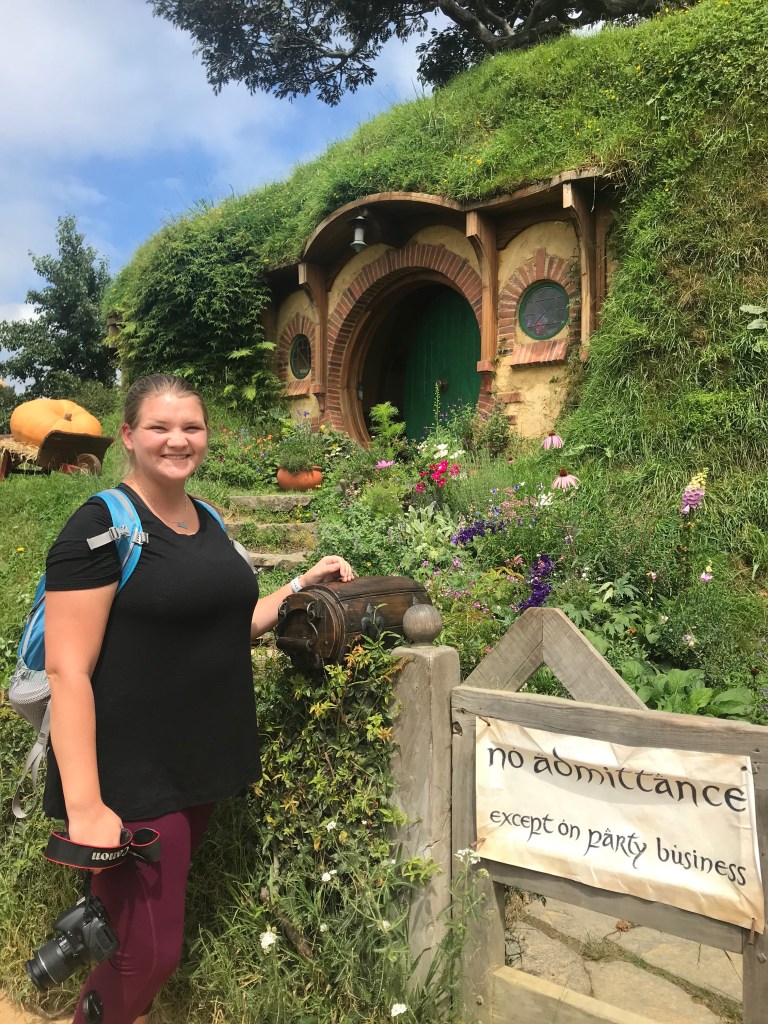
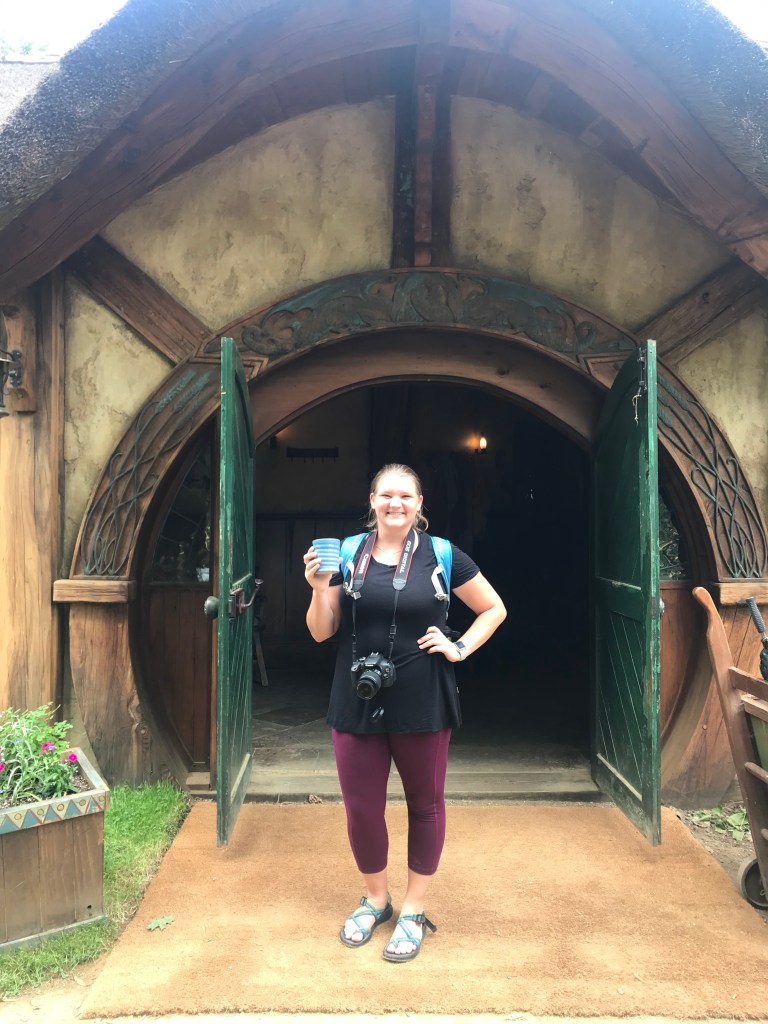
When I found out that Kris and Josh wanted to go to New Zealand, I knew that one of the things I wanted to do if I could was go visit Hobbiton. I had the chance to visit over the weekend, and loved every minute of it. While it is possible to get a ticket and visit without going through an organization, I decided it was easier to book through a tour group so that transportation would be included. On this particular tour, there was a large group of individual travelers of my general age from many different countries. We had a wonderful time together, which made the tour even better. The drive from Auckland to the small farming town of Matamata, where the Hobbiton film set is located, took two hours. We passed through a significant amount of beautiful farmland. I was absolutely cracking up at our tour guide’s information along the drive. My favorite fact from the drive – “See those round things in the field? Those are hay bales.” Upon arrival, we waited for a little bit before our tour began. This worked out wonderfully for me, because it gave me a chance to get a coffee in the cafe and check out the postcards in the gift shop. Our tour was led by a woman named Leonie from Germany who was doing a work away year at Hobbiton. We had an incredible time wondering along the path through the set, learning random facts, and admiring the incredible details. After our tour, we stopped in the Green Dragon to get a beer before having lunch and continuing on with our day.
Some of my favorite facts we learned in Hobbiton are:
- The farm where Hobbiton is found is still a working farm, with many sheep and cattle grazing in the area surrounding the set. We had to open and shut the gates to let our bus through so that the animals didn’t end up grazing in the film set.
- The road to the set through the farm was built by the New Zealand Army.
- The original Hobbiton set that was built for the Lord of the Rings movies was a temporary set. The set was rebuilt for the Hobbit movies using permanent materials. It took two years to finish the permanent set.
- The filming for the Hobbit movies using the permanent set only took 12 days.
- The hobbit holes can all be opened, but there is nothing inside them.
- The Hobbiton movie set was only used for outside shots, not shots inside the hobbit holes.
- Most of the plants are living plants, except for the tree above Bag End. The leaves on the fake tree had to be individually painted multiple times until the color was just right.

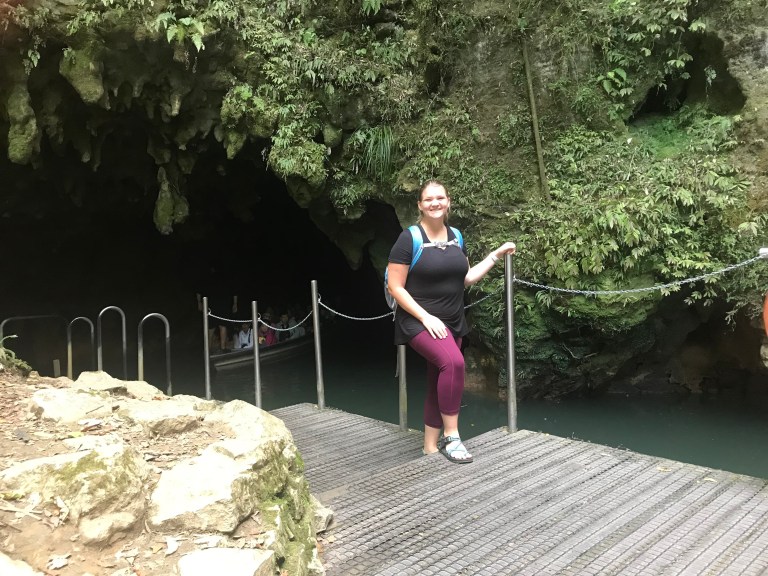
After leaving Hobbiton, we drove a few hours to the town of Waitomo to visit the famous glow worm caves. We were not allowed to take pictures in the caves, which ensured the caves were super dark for easy glow worm viewing. Our guide sang a beautiful Maori song for us to demonstrate the acoustics in the cave on our way to the back of the caves. The glow worms are beautiful and look almost like stars in the dark. They are rather freaky when you turn the lights on though, because they each have a spider-web-like string that extends from their bodies to catch the bugs that are attracted to the light they give off. After getting to see a small section of glow worms in the dark and in the light, we walked back through the caves to a section filled with water. We spent the next five minutes or so on a boat ride through the most glow worm intense section of the caves. The glow worms on the ceiling reflected in the water all around was absolutely breathtaking. For anyone who is considering visiting Auckland, I would highly recommend spending a day visiting Hobbiton and the Waitomo glow worm caves.
I originally had plans to go whale watching on Sunday, but the group had to cancel due to weather out at sea. I was a little bummed, but having a day to relax was absolutely what my body needed after such a full week in order to recharge for a few more days in Auckland and then moving on to see more of New Zealand!
 Tales of a Traveling Teacher